The Murph Challenge isn’t a workout. It’s a systems failure conducted at heart-rate redline.
If you’ve ever tried to remember whether you’re on rep 183 or 193 of squats while your lungs are filing a formal complaint, you already know: human memory is not a reliable datastore under load.
So I built a Murph tracker that does exactly one job well—count reps—while I focus on the important things, like not dying.
🎖️ What is Murph (and why people keep doing it)
The Murph Challenge is performed on Memorial Day to honor Lt. Michael P. Murphy, a Navy SEAL killed in Afghanistan in 2005.
It was his favorite workout. Originally named “Body Armor”, which feels accurate in the same way “production incident” feels accurate.
The canonical version:
1 mile run
100 pull-ups
200 push-ups
300 squats
1 mile run
Optional difficulty modifier: wear a 20 lb vest and rethink your life choices.
For the past few years (2024, 2022, 2019, 2018, 2017, 2016, 2015, 2014, 2013), I’ve wrapped up the year by summarizing books and sports events—running, biking, gravel fun/suffering, and other questionable life choices.
2025 is no different. Except it kind of is, because this was the year AI stopped being “the future” and the world become more (and more) crazy by the minute.
Let’s start with the books.
Books That Made Me Think
Clean Code – Robert C. Martin Yes, I re-read it. Again. Apparently I still need to be reminded on many good aspects of ‘clean’ code. Uncle Bob remains annoyingly correct.
Murakami – What I Talk About When I Talk About Running I wrote about this one earlier this year. It’s not really about running. It’s about showing up, embracing boredom, and quietly grinding forward. Which is also the most accurate description of debugging production on a Friday afternoon.
The Psychology of Human Misjudgment – Charlie Munger I summarized Munger’s lessons this year. The man spent nearly a century documenting all the creative ways humans confidently shoot themselves in the foot. Smart people don’t avoid mistakes—we just build better stories around them.
Range: Why Generalists Triumph in a Specialized World – David Epstein Turns out being “kind of good at many things” isn’t a flaw—it’s a survival strategy. Epstein makes a compelling case that breadth wins in messy, unpredictable systems. Which explains both modern tech careers and the contents of my garage.
Project Hail Mary – Andy Weir A man, a spaceship, impossible physics problems, duct tape, and an alien who communicates via jazz hands and math. Pure joy. If The Martian made you happy, this one will make you irresponsible with sleep.
The Year on Two Wheels (And Two Feet)
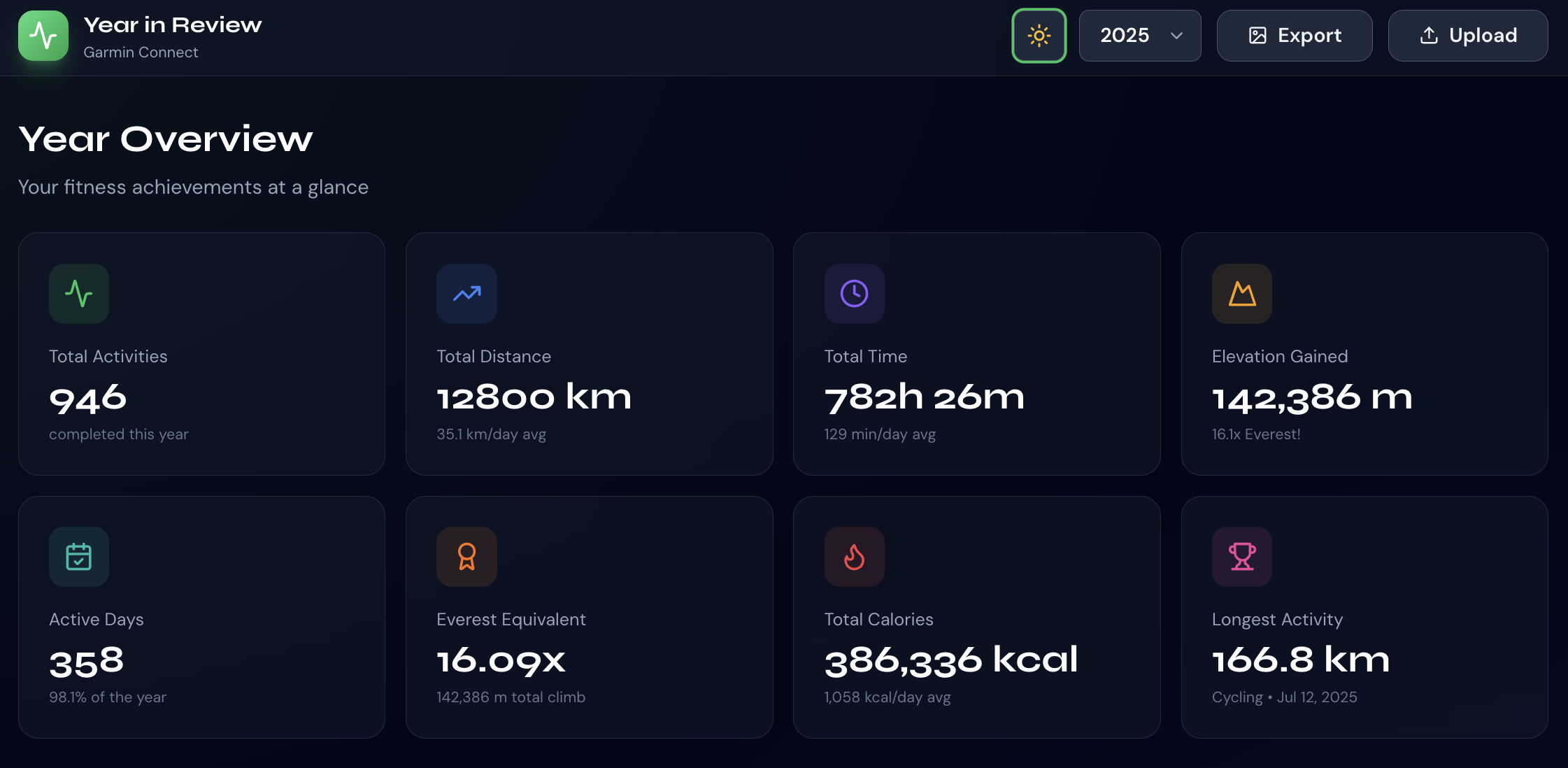
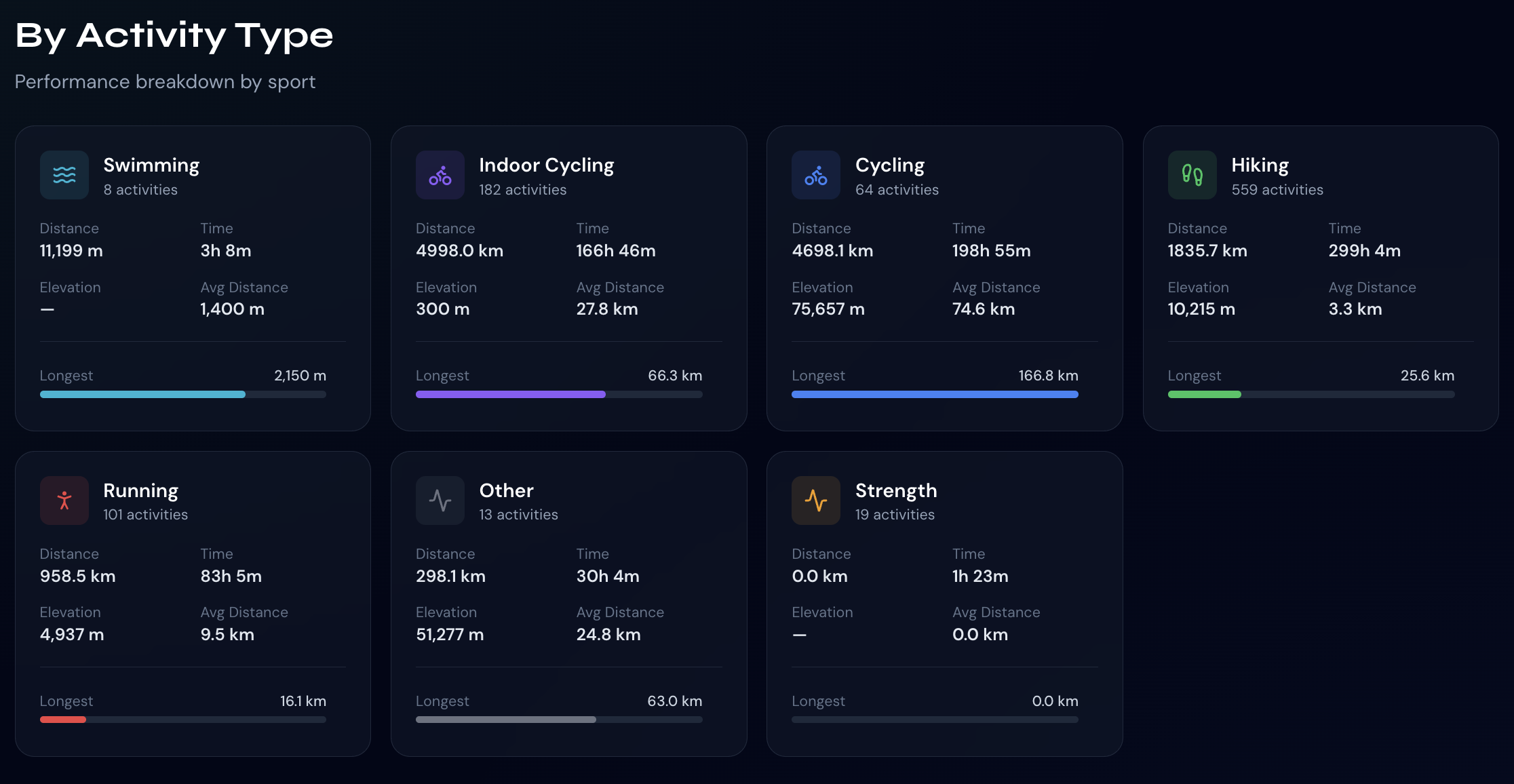
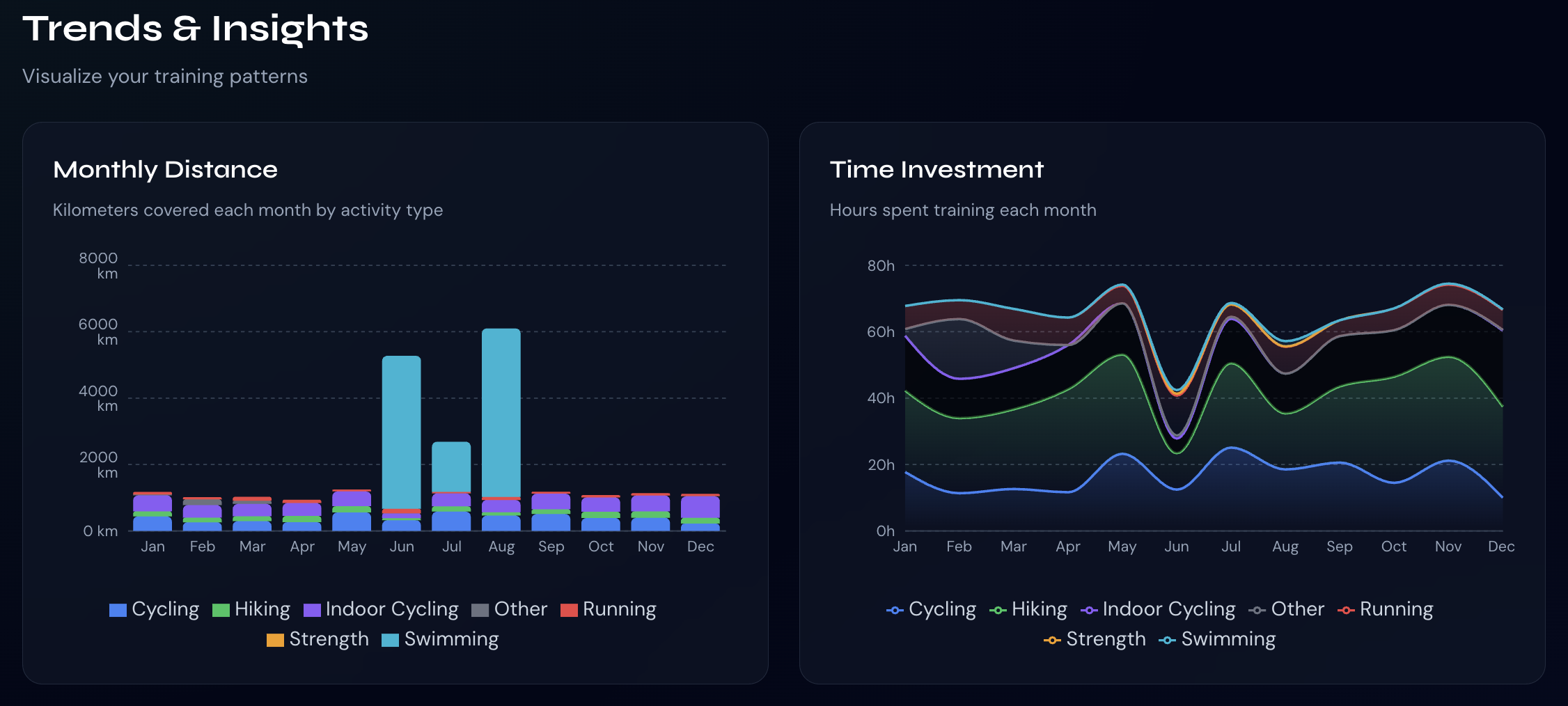
2025 was the year I finally admitted that gravel racing is just mountain biking for people who think they’re still road cyclists. 2025 was not about dabbling. It was about distance, stubbornness, and rides long enough to require negotiations with your own legs. According to Strava, my idea of “a good day on the bike” is apparently anything north of 120 miles.
Here are some numbers
And next are the top 5 rides of the year, ranked by pure, unapologetic mileage:
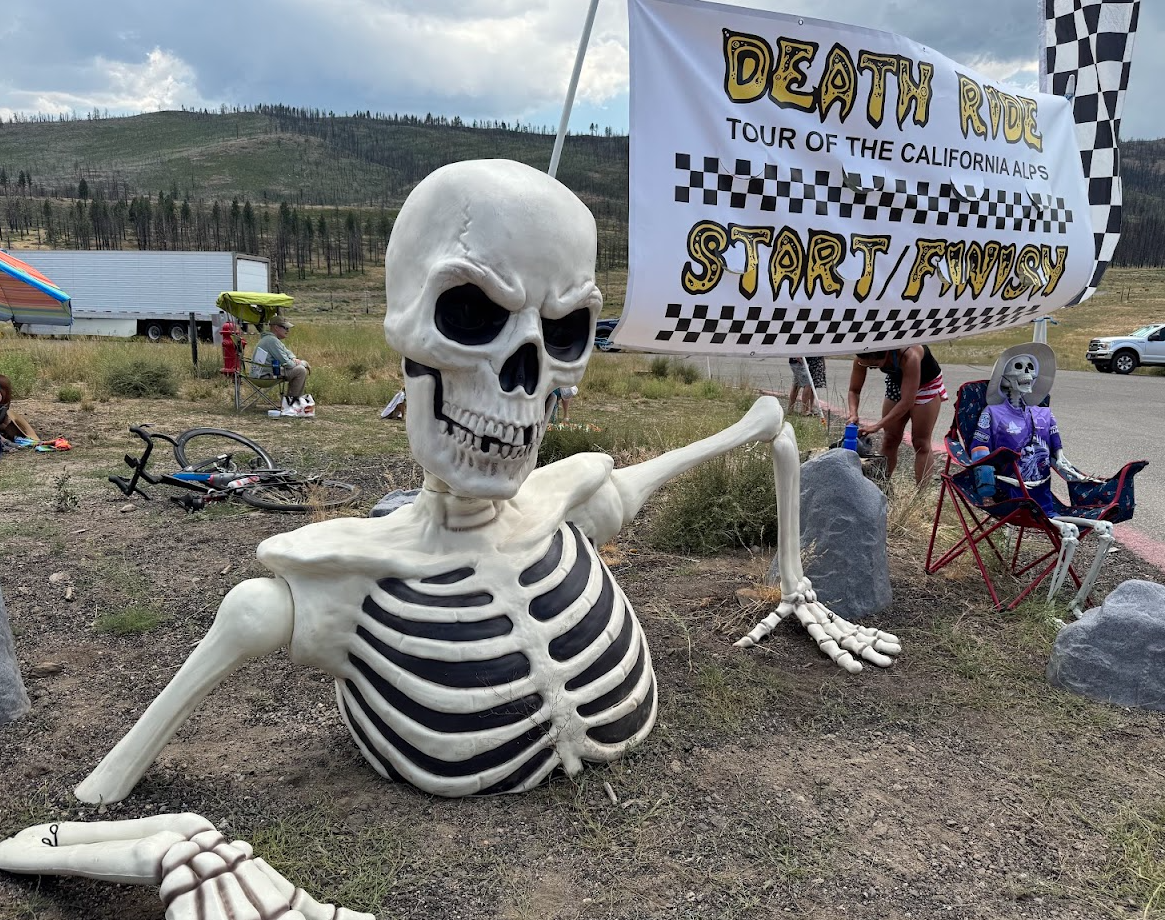
1. California Death Ride (a.k.a. “Let’s See What Breaks”)
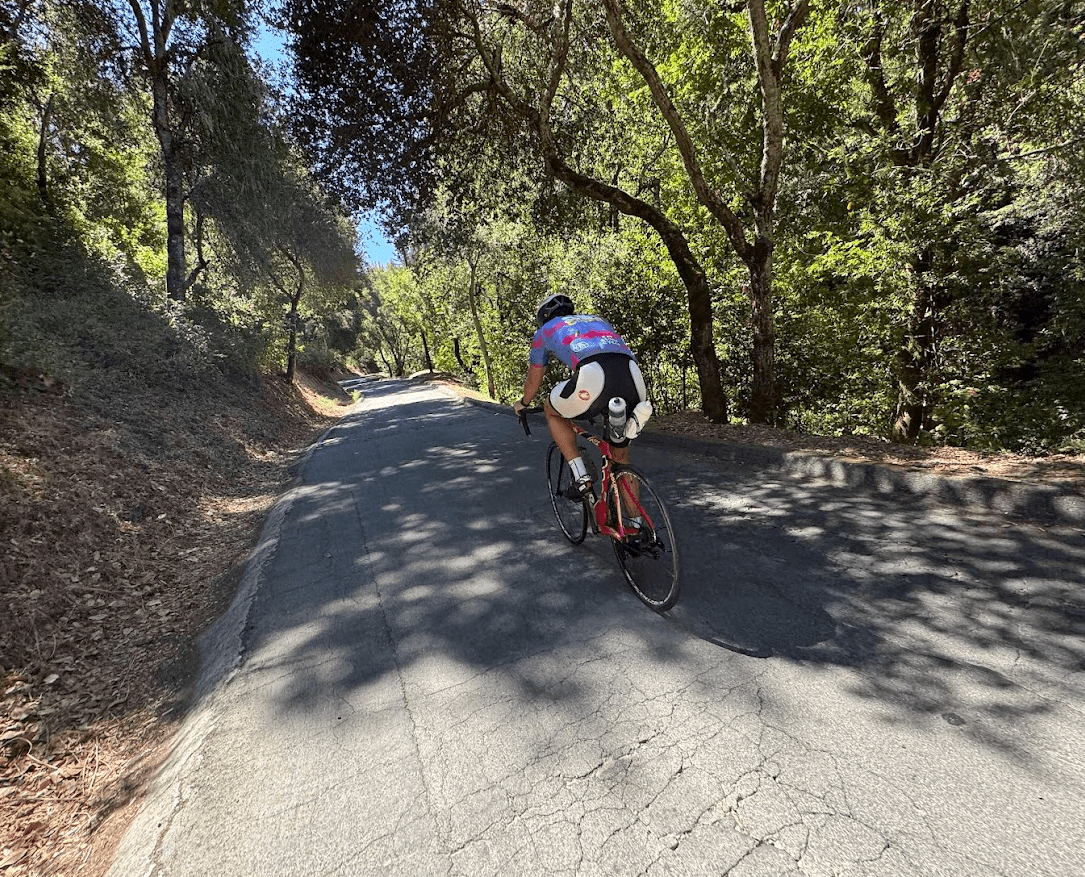
166.8 miles · 8h05m · 4,350 m climbing This was the big one. Alpine County served up altitude, endless climbing, and the kind of fatigue that makes basic arithmetic difficult. Long, brutal, beautiful—and exactly as advertised. Legs emptied. Brain quiet. Highly recommended if you enjoy earning your recovery week.
2. Marin County Mega Ride
161.5 miles · 5h32m · ~2,000 m climbing Fast, flowy, and just enough climbing to keep things honest. One of those rides where everything clicks, the weather cooperates, and you start making wildly optimistic plans for the rest of the season. Dangerous mindset. Great day.
3. Three Lakes to Morgan Hill (Because One Lake Is Never Enough)
134.7 miles · 5h05m · ~1,500 m climbing Long, steady, and sneaky-hard. The kind of ride that doesn’t feel epic until mile 110, when your legs quietly file a complaint. Classic endurance builder. Zero regrets. Some soreness.
4. Old La Honda to Half Moon Bay and Back
126.2 miles · 4h48m · ~1,850 m climbing A greatest-hits tour of local suffering. OLH never disappoints, Half Moon Bay always lies about the wind, and the ride home is where humility is restored. Did this voluntarily just for a good espresso. Would do it again.
5. Windy Hill + Butano (Name Checks Out)
121.2 miles · 5h19m · ~2,300 m climbing Rolling climbs, long stretches of solitude, and enough elevation to remind you that “endurance ride” is just code for “extended negotiation with gravity.”
The Pattern (In Case It Wasn’t Obvious)
Lots of long days
Serious climbing
A recurring belief that anything under 120 miles is “kind of short”
Strava confirms what I already suspected: 2025 was about volume, consistency, and seeing how far you can go before snacks become critical infrastructure.
The pain faded but the data remained.
I also finally nailed my race week taper strategy. The secret is doing less while eating more. Years of preparation paid off.
It started as “I’m tired of losing recipes in browser tabs” and escalated into a full-stack AI-powered cooking platform. React, Prisma, Node.js, OpenAI—and long philosophical debates with Cursor about database schemas at 1 a.m.
It now helps people manage recipes, generate new ones, and stop Googling “easy chicken recipe” for the 47th time. My family uses it – so that’s already a win.
The pattern is clear: AI is incredibly useful—as long as you treat it like a very confident intern who occasionally hallucinates entire APIs.
Security Became Personal
I got strangely passionate about password security and MFA/passkeys this year. Mainly, after seeing some friends being hacked by some (really) bad actors. It’s far from being fun and with a few simple steps you can remove ~90% of the attackers. The TL;DR: * Turn on MFA. * Use a password manager. * Stop trusting your memory from 2014. Seeing “password123” still alive in 2025 does emotional damage.
The Pull-Up Counter That Actually Worked
My son asked, “Can we build something that counts our pull-ups?”
So we did. A real-time pull-up tracker using TensorFlow.js and a webcam. Teaching a machine to recognize human suffering was harder than expected—but now we have data-driven trash talk.
Because if it’s not measured, did it even hurt?
Things I Learned (The Hard Way)
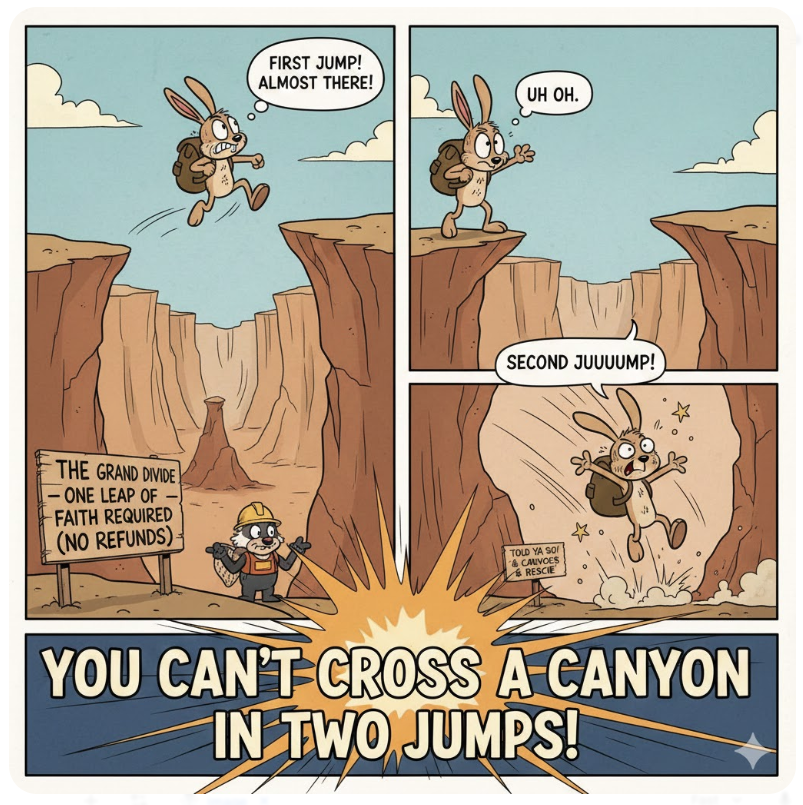
Focus beats options. You can’t cross a canyon in two jumps. This applies to startups, training plans, and side projects that “just need one more feature.”
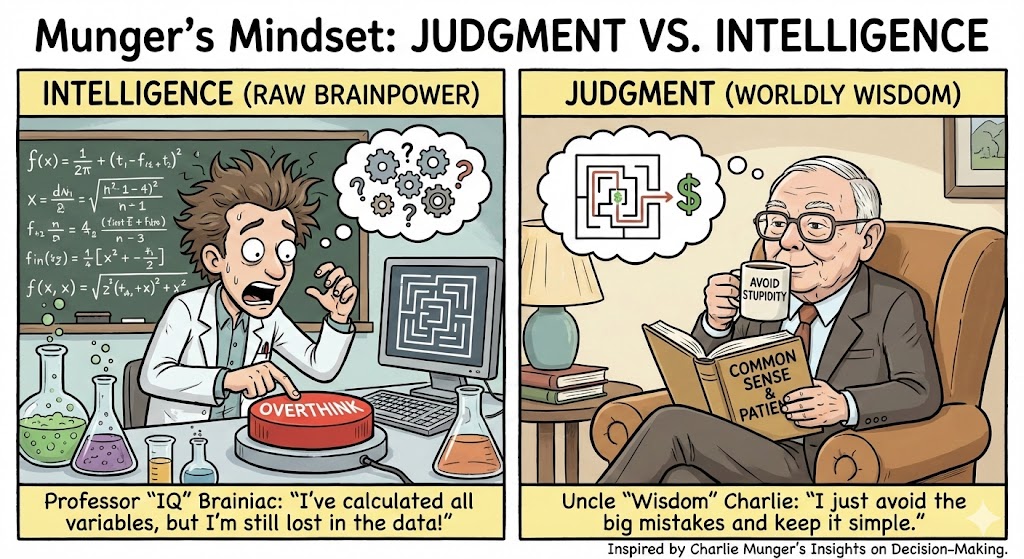
Charlie Munger was right. Especially about how intelligence doesn’t protect you from bad decisions—it just helps you justify them.
Great teams scale via systems, not heroics.Google, Facebook, Netflix all figured this out. Burnout is not a strategy.
Tapering is a skill. Your brain will beg for “just one more hard session.” It is lying.
AI coding tools are magic—until they aren’t. Then you lose 30 minutes debugging code that confidently imports a library from an alternate universe.
Looking Ahead
2026 will probably look similar. More books. More miles. More yelling at AI. Definitely more coffee—especially since I wrote a guide on dialing in espresso.
If you made it this far, thanks for reading. Here’s to another year of breaking things, building things, and occasionally fixing the things we broke.
Charlie Munger spent nearly a century studying how humans outsmart… themselves. The man treated bad decisions the way a forensic detective treats fingerprints. And the funny part? Most of the traps he identified hit smart people harder than everyone else. Intelligence doesn’t protect you—it just lets you come up with more elegant ways to be wrong.
Here’s the Munger playbook, rewritten in plain English and spiced with some real-world bruises. Ahh… it’s also much shorter then the original work. However, you do with to read the original as he is much better writer.
Let’s start with the elephant Munger kept in the room: brains aren’t the bottleneck—judgment is. You can have a rocket scientist mind and still steer straight into a mountain if you use it wrong.
1. Using One Mental Model Is Like Using One Dumbbell
When someone only uses the tools from their field, they distort reality to fit their toolbox.
Most weather apps just tell you the numbers—temperature, wind, UV, etc.—but as cyclists, we need to know what those numbers mean for the ride.
Weather 4 Bike bridges that gap: it translates raw weather forecasts into clear, activity-aware guidance for road, gravel, and MTB. With one glance, you know whether to head out, wait, or change routes.
Since 2013, I’ve made it a tradition (2022, 2020, 2019, 2018, 2017, 2016, 2015, 2014, 2013) to reflect on the books I’ve read and the sports events I’ve trained for and competed in.
2024 was no exception, offering a mix of endurance and discovery through the pages of captivating stories and on the trails of challenging courses. From thought-provoking novels that broadened my horizons to intense training sessions that pushed my limits, this year added another meaningful chapter to this ongoing journey.
Here’s a look back at the highlights that made 2024.
As a long-distance runner and endurance athlete, reading Haruki Murakami’s “What I Talk About When I Talk About Running” felt like connecting with an older brother’s spirit. It was the 3rd time for me. Each time, at a different age (23, 37, and now much older), I experienced a different type of reflection and understanding.
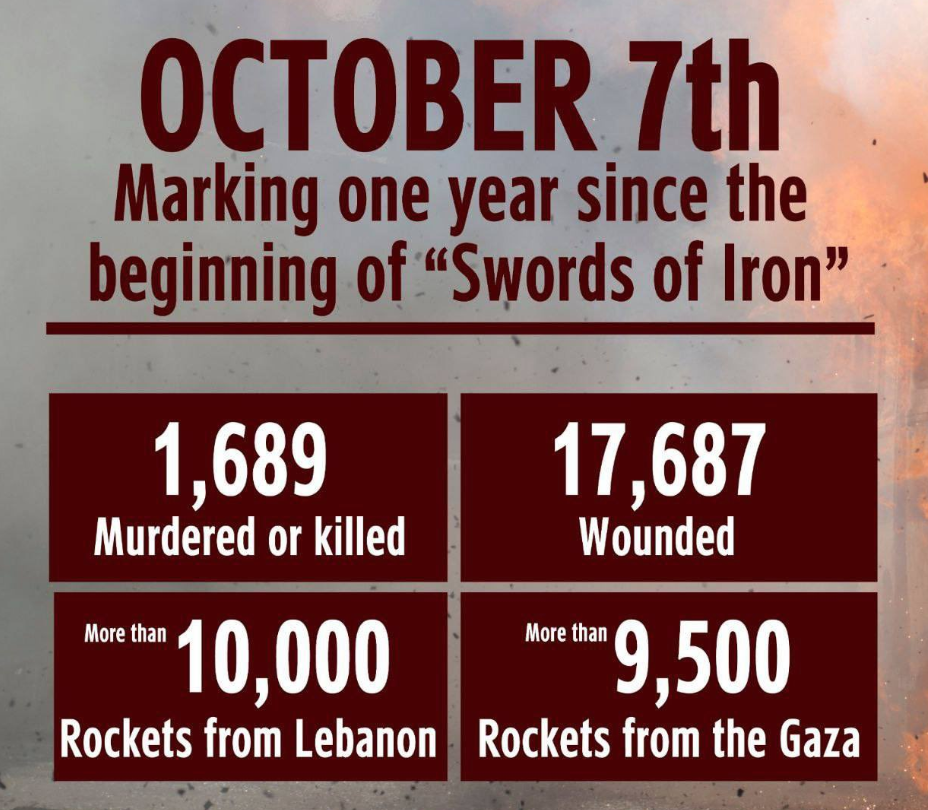
It marked the deadliest attack on Jews since the Holocaust, with Hamas militants infiltrating Israeli territory, resulting in the murder of over 1,689 civilians and the taking of hundreds of hostages. The attack ignited a war between Israel and Iran’s network of proxies, eventually escalating to direct confrontation with the Islamic Republic itself. It became a litmus test for the international community’s response to terrorism and civilian casualties. The varying reactions from governments, institutions, and individuals around the world exposed deep divisions in moral clarity and revealed troubling fault lines in what was once considered a unified stance against terror. The ugly antisemitism showed in every demonstration of the purple hair kids. Please start from the end: #hamasIsISIS and it must be eliminated
“By the time Americans woke up on October 7, 2023, it was clear that what had unfolded while we slept was not like previous wars or battles Israel has fought in its 75-year history. This was a genocidal pogrom. It was a scene out of the many places Jews had fled—a scene from the history of the Nazi Holocaust and of the European pogroms before that and of the Farhud, the 1941 massacre of Jews in Baghdad, a city that, it’s hard to believe now, was 40 percent Jewish at the beginning of the twentieth century—all of which remind us of Israel’s necessity.
The Hamas terrorists came across the border into southern Israel on foot and on motorbike. They came by truck and by car and by paraglider. And they came with a plan. They came to Israel to murder and maim and mutilate anyone they could find. That is what they did.
These Cossacks had smartphones. They called their families to brag that they had murdered Jews. Dad, Dad, I killed 10 Jews! Others filmed the slaughter with GoPros. Some used the cellphones of their victims to upload the footage of their torture and murder to their Facebook pages. In all of this, the terrorists are euphoric. No one who has watched the unedited footage fails to note the glee of the butchers.
Some Israelis were literally disappeared on October 7—burned at such high heat that volunteers are still sifting through the bones and the remnant teeth to identify them. But we know that more than 200 people are currently being held hostage by Hamas and that more than 1,400 were murdered in those terrible hours. Among the dead are some thirty American citizens. There are at least ten Americans among the hostages.
…The difference between 9/11 and 10/7 was that the catastrophe of 10/7 was followed, on October 8, by a different kind of catastrophe. A moral and spiritual catastrophe that was on full display throughout the West before the bodies of those men and women and children had even been identified.
People poured into the streets of our capital cities to celebrate the slaughter.
In Sydney, crowds gathered at the Sydney Opera House cheering “gas the Jews.” People rejoiced on the streets of Berlin and London and Toronto and New York.” – The full speech of (the amazing) Bari Weiss is here.
The last year in numbers that don’t tell the full story:
“If you seek tranquillity, do less.” – Marcus Aurelius
In a world that constantly demands more from us, Greg McKeown’s book Essentialism: The Disciplined Pursuit of Less offers a refreshing and counterintuitive approach to achieving success and fulfillment. I finished it last weekend and decided to try to create a summary so I could browse it in the future when people are pushing for ‘more.’
This interesting book challenges the notion that we can have it all and advocates for a more focused, deliberate way of living and working.
The Core of Essentialism
At its heart, essentialism is about doing less but better.










 Ido Green