A few months ago, I finished a long ride—just over 100 miles, solid climbing, felt strong the entire way. The kind of session that makes you think, I’m on track.
The next week, I pushed again. Then again.
Nothing dramatic—just a bit more volume, a bit more intensity. Exactly what most self-coached athletes do when things feel good.
Two weeks later, I was flat. Not injured. Not sick. Just… off. Power was down, runs felt heavy, motivation dipped. The frustrating kind of fatigue where nothing is clearly wrong—but nothing is clearly right either.
When I looked back, the pattern was obvious:
I had increased load too quickly
Skipped a proper recovery week
Let “feeling good” override structure
What’s worse: all the data was there. Garmin had it. The workouts were logged. The signals existed.
I just didn’t have a system that could connect the dots, enforce discipline, and still adapt intelligently.
That’s the gap.
Most tools today fall into two extremes:
Static plans that ignore what you actually did
“AI coaching” that sounds smart but you can’t really trust
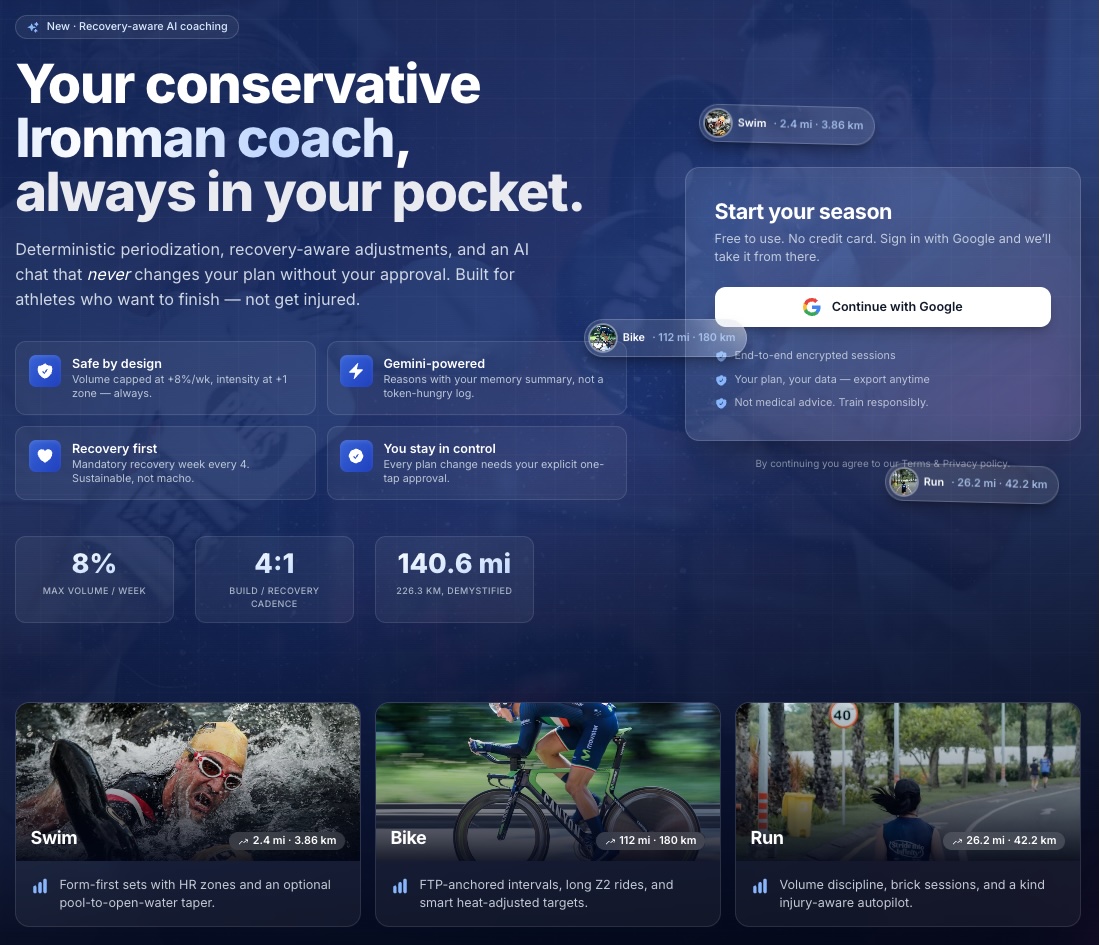
I wanted something in between:
A system that keeps me honest on the fundamentals—while still helping me think, adapt, and improve.
The Murph Challenge isn’t a workout. It’s a systems failure conducted at heart-rate redline.
If you’ve ever tried to remember whether you’re on rep 183 or 193 of squats while your lungs are filing a formal complaint, you already know: human memory is not a reliable datastore under load.
So I built a Murph tracker that does exactly one job well—count reps—while I focus on the important things, like not dying.
🎖️ What is Murph (and why people keep doing it)
The Murph Challenge is performed on Memorial Day to honor Lt. Michael P. Murphy, a Navy SEAL killed in Afghanistan in 2005.
It was his favorite workout. Originally named “Body Armor”, which feels accurate in the same way “production incident” feels accurate.
The canonical version:
1 mile run
100 pull-ups
200 push-ups
300 squats
1 mile run
Optional difficulty modifier: wear a 20 lb vest and rethink your life choices.
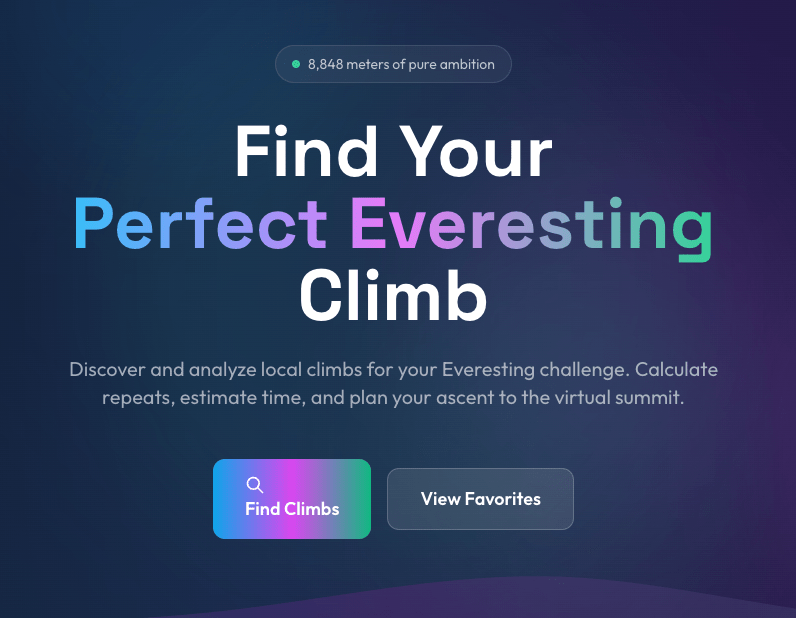
Every cyclist has stared at a local hill and thought some version of: “Could I… just keep doing this until Everest happens?”
That thought is how Everesting is born. One hill. One activity. Repeat until you’ve climbed 8,848 meters. No shortcuts. No segments stitched together. Just you, gravity, and increasingly questionable life choices.
Everesting is simple in theory and brutal in practice. And planning it turns out to be way more annoying than it should be.
For the past few years (2024, 2022, 2019, 2018, 2017, 2016, 2015, 2014, 2013), I’ve wrapped up the year by summarizing books and sports events—running, biking, gravel fun/suffering, and other questionable life choices.
2025 is no different. Except it kind of is, because this was the year AI stopped being “the future” and the world become more (and more) crazy by the minute.
Let’s start with the books.
Books That Made Me Think
Clean Code – Robert C. Martin Yes, I re-read it. Again. Apparently I still need to be reminded on many good aspects of ‘clean’ code. Uncle Bob remains annoyingly correct.
Murakami – What I Talk About When I Talk About Running I wrote about this one earlier this year. It’s not really about running. It’s about showing up, embracing boredom, and quietly grinding forward. Which is also the most accurate description of debugging production on a Friday afternoon.
The Psychology of Human Misjudgment – Charlie Munger I summarized Munger’s lessons this year. The man spent nearly a century documenting all the creative ways humans confidently shoot themselves in the foot. Smart people don’t avoid mistakes—we just build better stories around them.
Range: Why Generalists Triumph in a Specialized World – David Epstein Turns out being “kind of good at many things” isn’t a flaw—it’s a survival strategy. Epstein makes a compelling case that breadth wins in messy, unpredictable systems. Which explains both modern tech careers and the contents of my garage.
Project Hail Mary – Andy Weir A man, a spaceship, impossible physics problems, duct tape, and an alien who communicates via jazz hands and math. Pure joy. If The Martian made you happy, this one will make you irresponsible with sleep.
The Year on Two Wheels (And Two Feet)
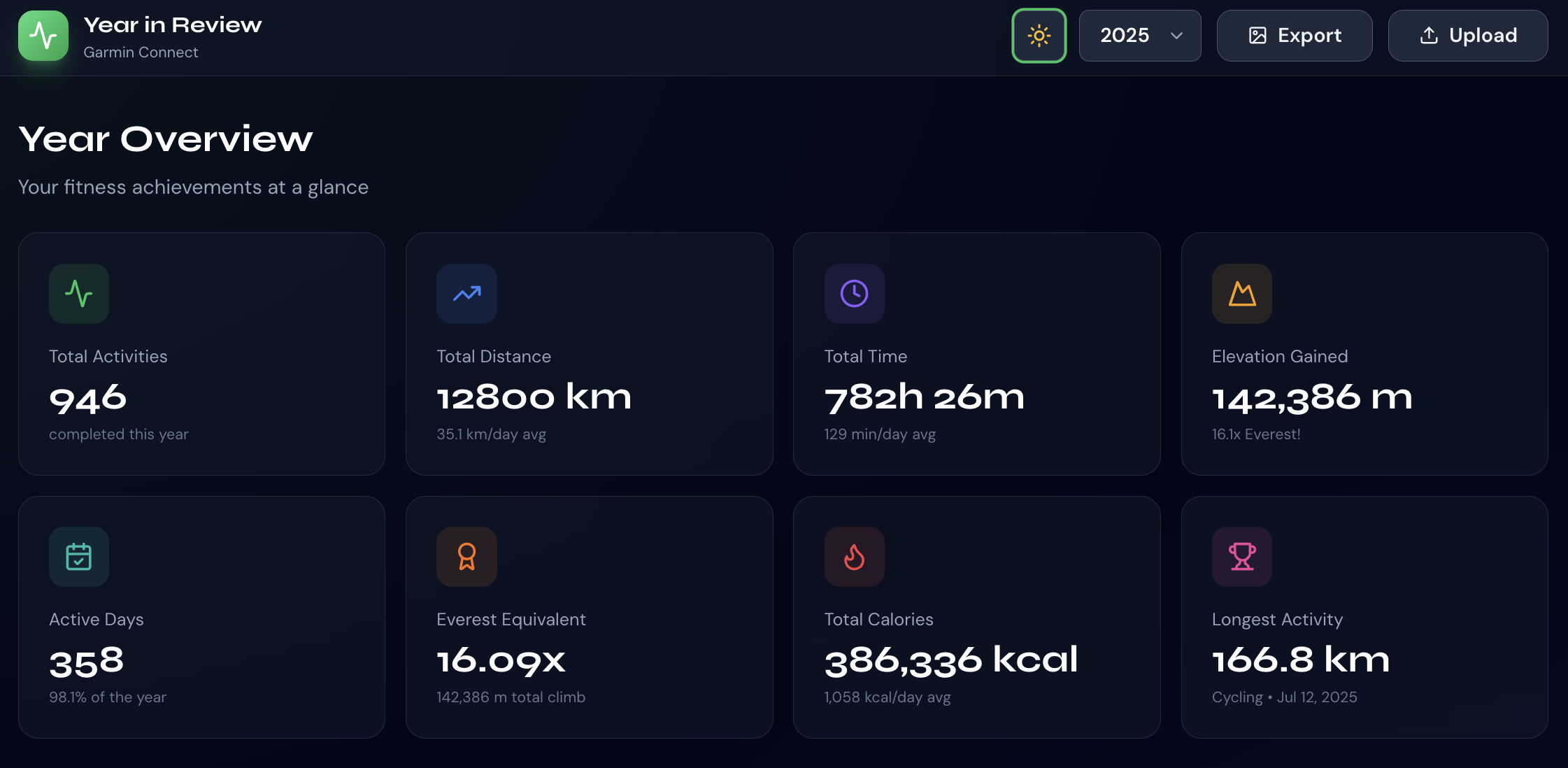
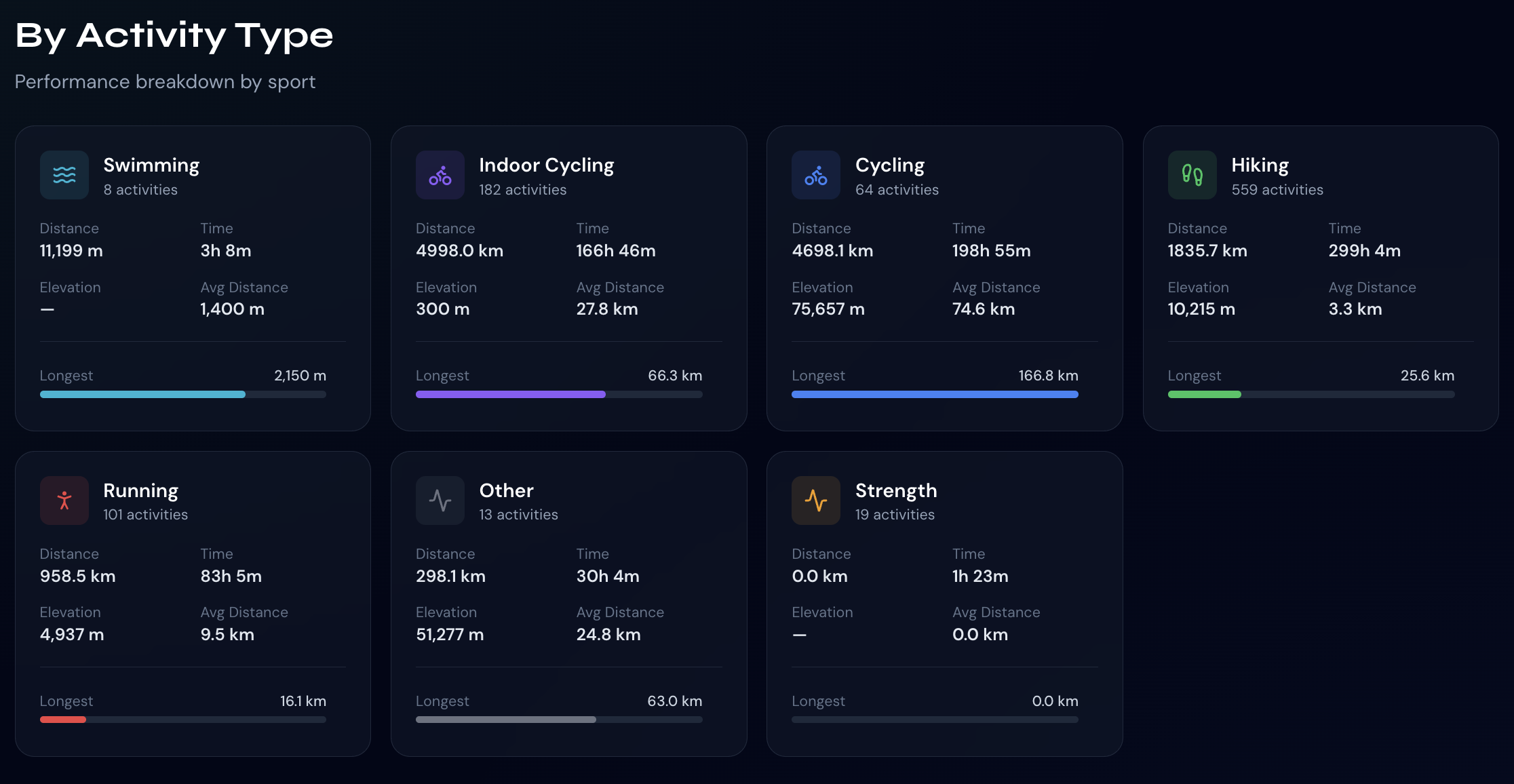
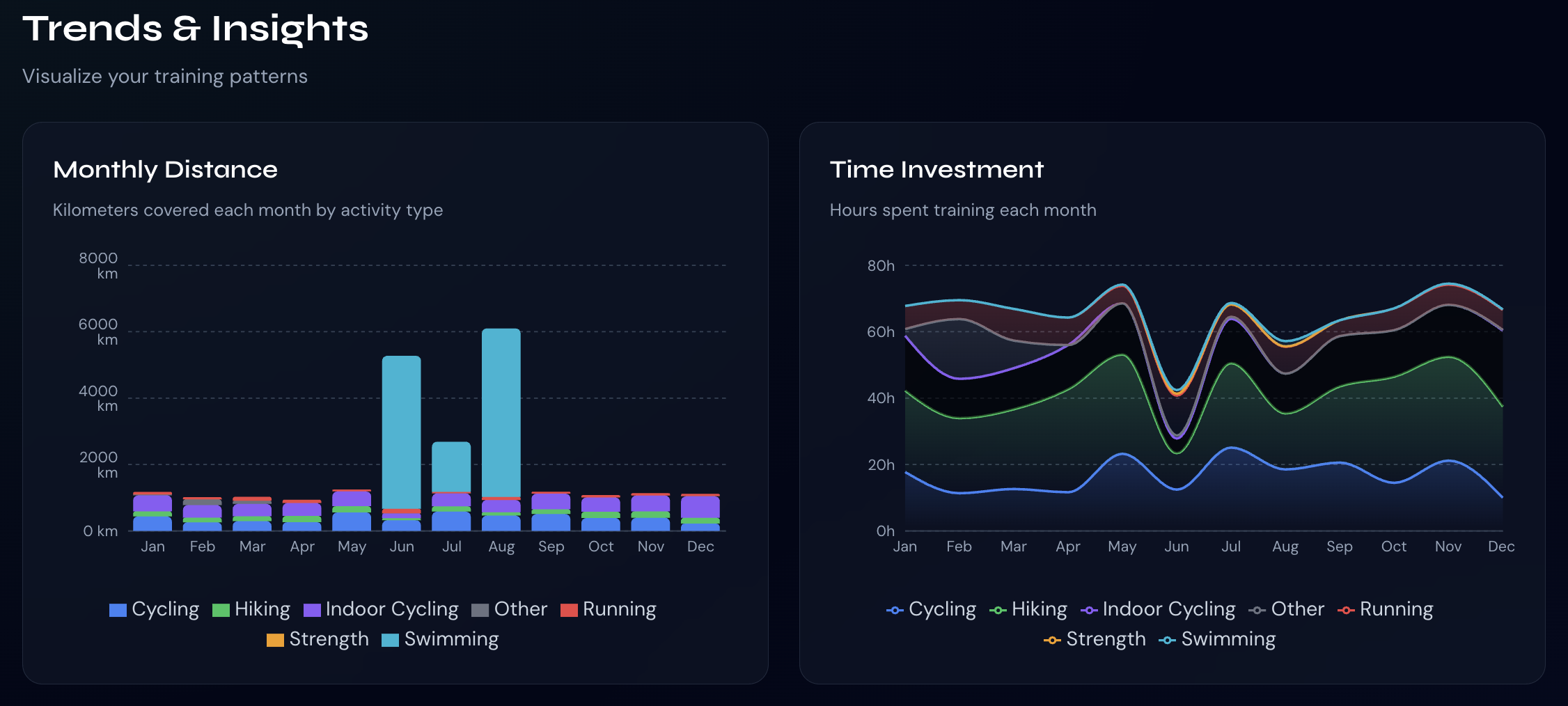
2025 was the year I finally admitted that gravel racing is just mountain biking for people who think they’re still road cyclists. 2025 was not about dabbling. It was about distance, stubbornness, and rides long enough to require negotiations with your own legs. According to Strava, my idea of “a good day on the bike” is apparently anything north of 120 miles.
Here are some numbers
And next are the top 5 rides of the year, ranked by pure, unapologetic mileage:
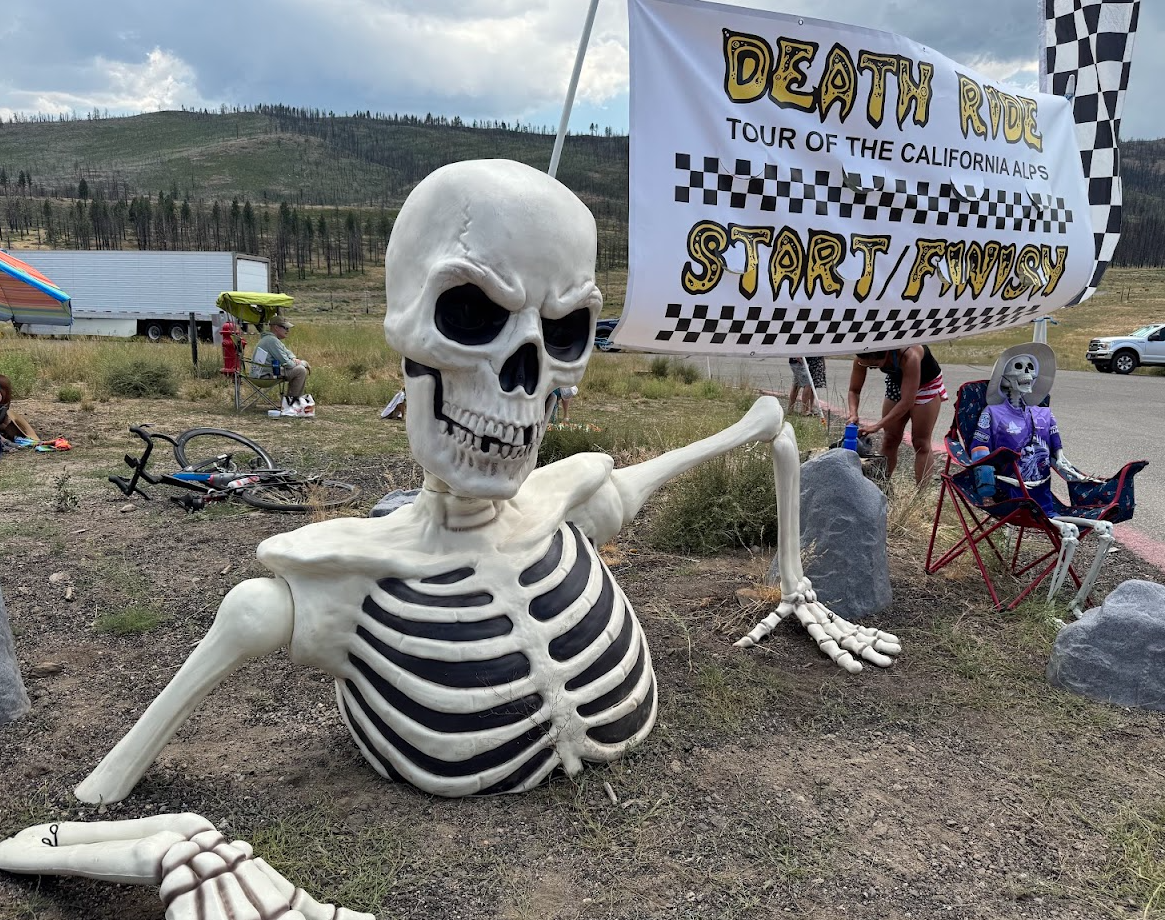
1. California Death Ride (a.k.a. “Let’s See What Breaks”)
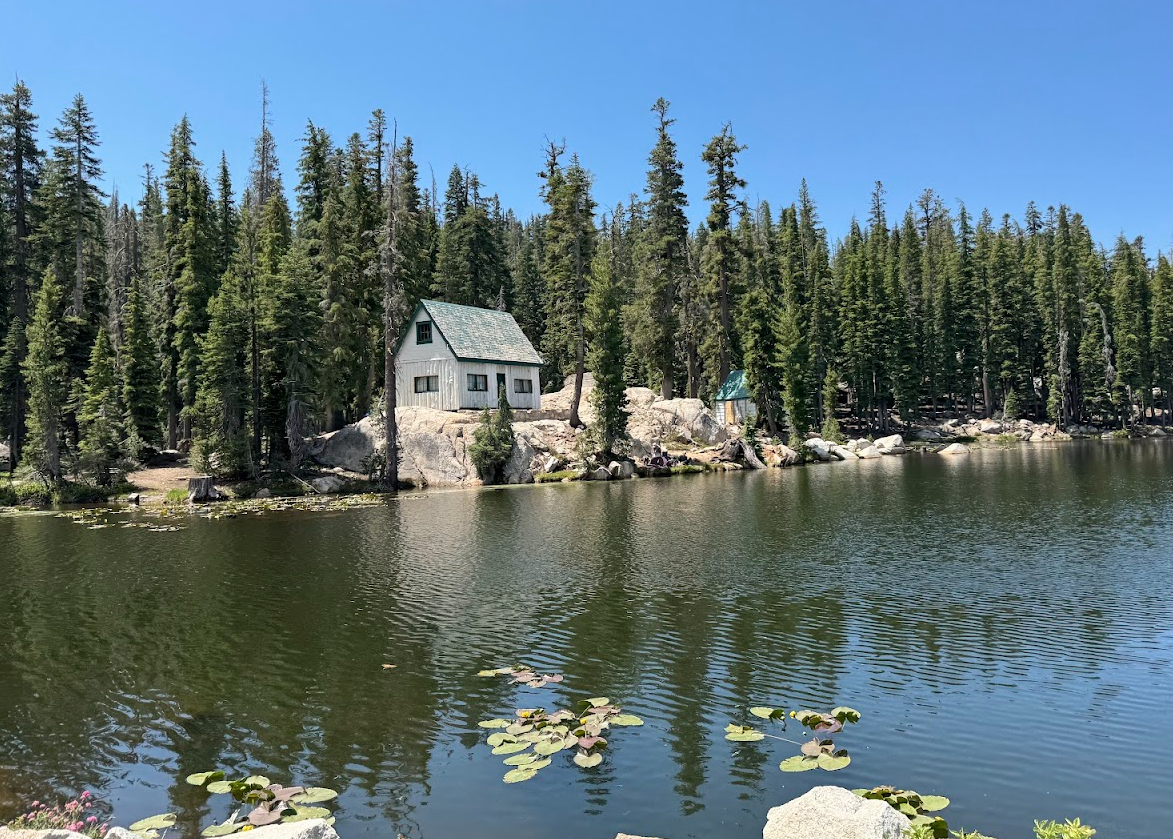
166.8 miles · 8h05m · 4,350 m climbing This was the big one. Alpine County served up altitude, endless climbing, and the kind of fatigue that makes basic arithmetic difficult. Long, brutal, beautiful—and exactly as advertised. Legs emptied. Brain quiet. Highly recommended if you enjoy earning your recovery week.
2. Marin County Mega Ride
161.5 miles · 5h32m · ~2,000 m climbing Fast, flowy, and just enough climbing to keep things honest. One of those rides where everything clicks, the weather cooperates, and you start making wildly optimistic plans for the rest of the season. Dangerous mindset. Great day.
3. Three Lakes to Morgan Hill (Because One Lake Is Never Enough)
134.7 miles · 5h05m · ~1,500 m climbing Long, steady, and sneaky-hard. The kind of ride that doesn’t feel epic until mile 110, when your legs quietly file a complaint. Classic endurance builder. Zero regrets. Some soreness.
4. Old La Honda to Half Moon Bay and Back
126.2 miles · 4h48m · ~1,850 m climbing A greatest-hits tour of local suffering. OLH never disappoints, Half Moon Bay always lies about the wind, and the ride home is where humility is restored. Did this voluntarily just for a good espresso. Would do it again.
5. Windy Hill + Butano (Name Checks Out)
121.2 miles · 5h19m · ~2,300 m climbing Rolling climbs, long stretches of solitude, and enough elevation to remind you that “endurance ride” is just code for “extended negotiation with gravity.”
The Pattern (In Case It Wasn’t Obvious)
Lots of long days
Serious climbing
A recurring belief that anything under 120 miles is “kind of short”
Strava confirms what I already suspected: 2025 was about volume, consistency, and seeing how far you can go before snacks become critical infrastructure.
The pain faded but the data remained.
I also finally nailed my race week taper strategy. The secret is doing less while eating more. Years of preparation paid off.
It started as “I’m tired of losing recipes in browser tabs” and escalated into a full-stack AI-powered cooking platform. React, Prisma, Node.js, OpenAI—and long philosophical debates with Cursor about database schemas at 1 a.m.
It now helps people manage recipes, generate new ones, and stop Googling “easy chicken recipe” for the 47th time. My family uses it – so that’s already a win.
The pattern is clear: AI is incredibly useful—as long as you treat it like a very confident intern who occasionally hallucinates entire APIs.
Security Became Personal
I got strangely passionate about password security and MFA/passkeys this year. Mainly, after seeing some friends being hacked by some (really) bad actors. It’s far from being fun and with a few simple steps you can remove ~90% of the attackers. The TL;DR: * Turn on MFA. * Use a password manager. * Stop trusting your memory from 2014. Seeing “password123” still alive in 2025 does emotional damage.
The Pull-Up Counter That Actually Worked
My son asked, “Can we build something that counts our pull-ups?”
So we did. A real-time pull-up tracker using TensorFlow.js and a webcam. Teaching a machine to recognize human suffering was harder than expected—but now we have data-driven trash talk.
Because if it’s not measured, did it even hurt?
Things I Learned (The Hard Way)
Focus beats options. You can’t cross a canyon in two jumps. This applies to startups, training plans, and side projects that “just need one more feature.”
Charlie Munger was right. Especially about how intelligence doesn’t protect you from bad decisions—it just helps you justify them.
Great teams scale via systems, not heroics.Google, Facebook, Netflix all figured this out. Burnout is not a strategy.
Tapering is a skill. Your brain will beg for “just one more hard session.” It is lying.
AI coding tools are magic—until they aren’t. Then you lose 30 minutes debugging code that confidently imports a library from an alternate universe.
Looking Ahead
2026 will probably look similar. More books. More miles. More yelling at AI. Definitely more coffee—especially since I wrote a guide on dialing in espresso.
If you made it this far, thanks for reading. Here’s to another year of breaking things, building things, and occasionally fixing the things we broke.
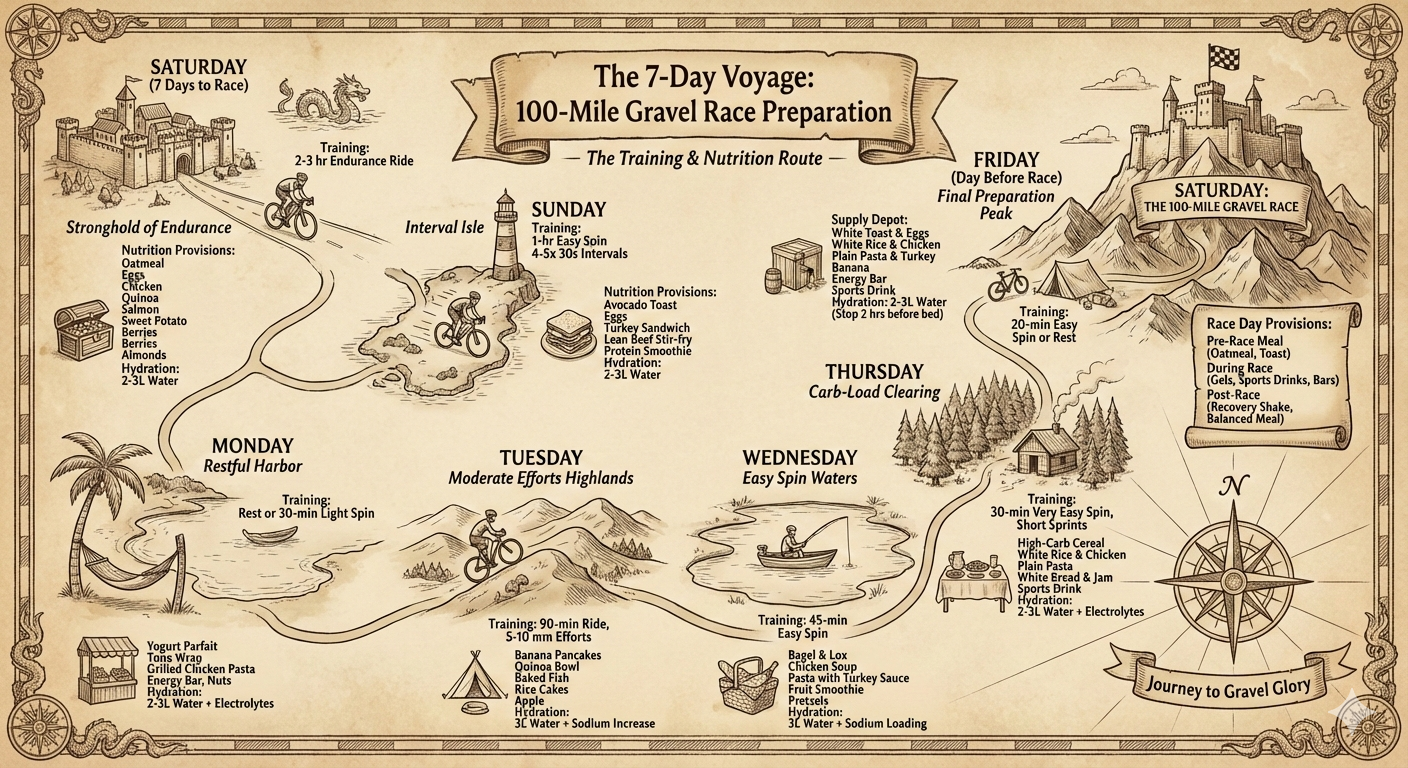
This 7-day pre-race plan exists for one simple reason: to get you to the start line slightly bored, mildly twitchy, and annoyingly fresh –> That’s the “sweet spot”.
It’s built on two ideas that sports science actually agrees on (a rare event): tapering and nutrition periodization. No crystals. No miracle powders. Just physiology doing its thing if you don’t mess with it.
Training Taper: Doing Less Is a Skill
Tapering is the controlled art of not ruining months of work in the final week.
But in other cases, when you are planning a long ride, hike, or bikepacking trip and wondering where you can safely refill water? GPX Water Mapper helps you find potable water sources along any GPX route — quickly, privately, and for free.
Try it, explore the code, and join the (dev) community:
Most weather apps just tell you the numbers—temperature, wind, UV, etc.—but as cyclists, we need to know what those numbers mean for the ride.
Weather 4 Bike bridges that gap: it translates raw weather forecasts into clear, activity-aware guidance for road, gravel, and MTB. With one glance, you know whether to head out, wait, or change routes.
The Bay Area (San Jose to San Francisco) is a dream playground for road cyclists: ocean views, towering redwoods, lung-busting climbs, and rewarding descents all within a few pedal strokes. Whether you’re training for a big event or just out to explore, the Peninsula and Santa Cruz Mountains offer some of the most iconic rides in California.
Below are six of my favorite road rides in the Bay Area, complete with Strava route links, ride highlights, coffee stop suggestions, and a few bathroom tips to make your day in the saddle smoother.
As a long-distance runner and endurance athlete, reading Haruki Murakami’s “What I Talk About When I Talk About Running” felt like connecting with an older brother’s spirit. It was the 3rd time for me. Each time, at a different age (23, 37, and now much older), I experienced a different type of reflection and understanding.
Running is often associated with pushing harder, going faster, and constantly challenging yourself. However, the true secret to improving your endurance and overall performance lies in the often-overlooked practice of running in control (=you will feel it as slow).
Specifically, training in your Zone 2, also known as the “aerobic base building” zone, can yield remarkable benefits for runners of all levels. We can dive into it a bit later in this post.
But what exactly is Zone 2 running, and why is it so beneficial?