life, Sport

Year in Review: Books and Rides of 2025

For the past few years (2024, 2022, 2019201820172016201520142013), I’ve wrapped up the year by summarizing books and sports events—running, biking, gravel fun/suffering, and other questionable life choices.

2025 is no different.
Except it kind of is, because this was the year AI stopped being “the future” and the world become more (and more) crazy by the minute.

Let’s start with the books.


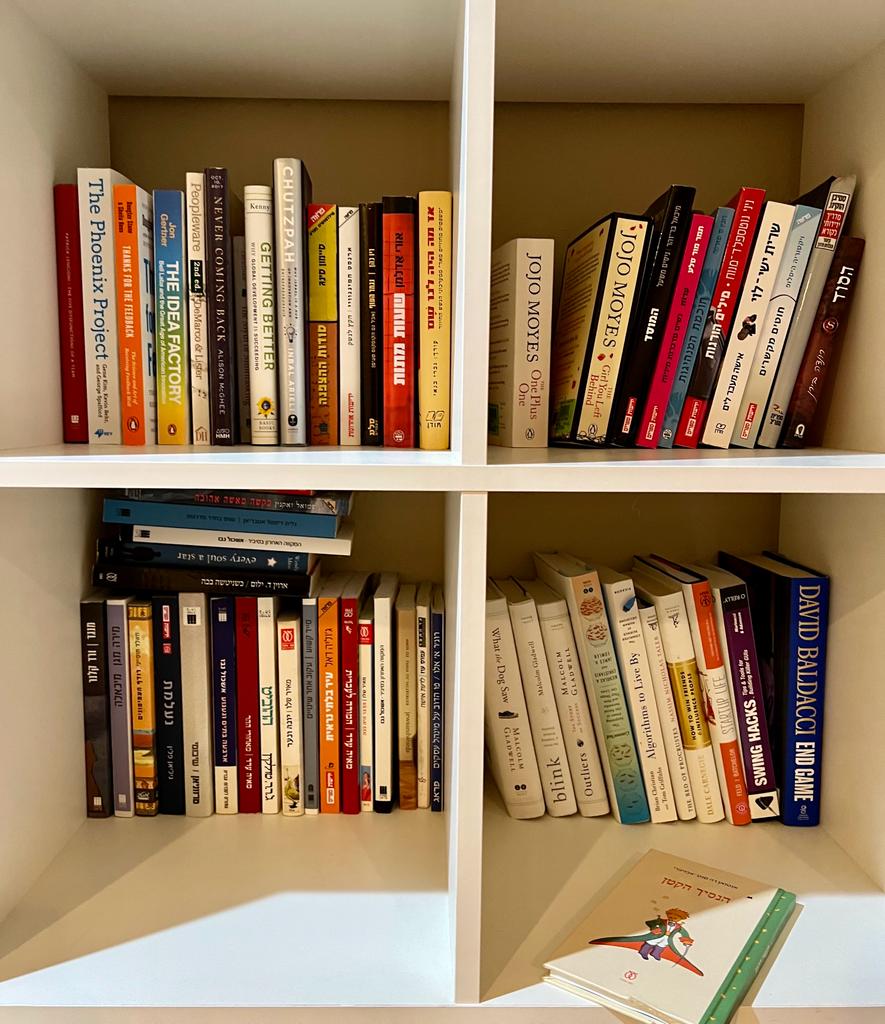
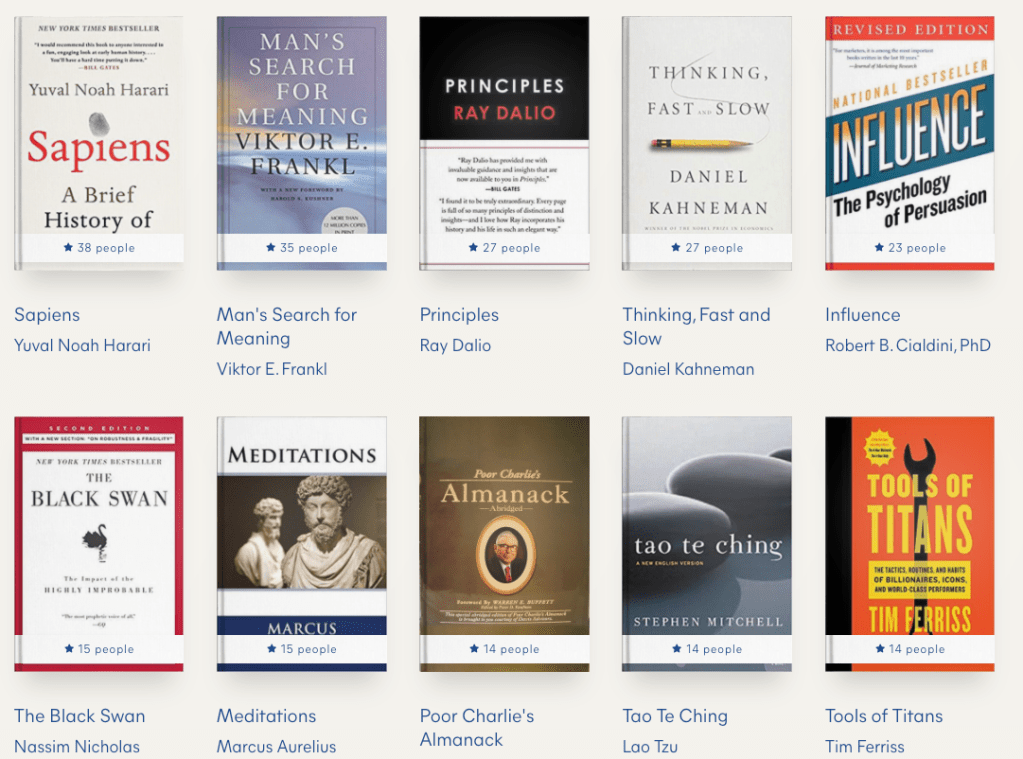
Books That Made Me Think

Clean Code – Robert C. Martin
Yes, I re-read it. Again. Apparently I still need to be reminded on many good aspects of ‘clean’ code.
Uncle Bob remains annoyingly correct.

Murakami – What I Talk About When I Talk About Running
I wrote about this one earlier this year. It’s not really about running. It’s about showing up, embracing boredom, and quietly grinding forward.
Which is also the most accurate description of debugging production on a Friday afternoon.

The Psychology of Human Misjudgment – Charlie Munger
I summarized Munger’s lessons this year. The man spent nearly a century documenting all the creative ways humans confidently shoot themselves in the foot.
Smart people don’t avoid mistakes—we just build better stories around them.

Range: Why Generalists Triumph in a Specialized World – David Epstein
Turns out being “kind of good at many things” isn’t a flaw—it’s a survival strategy. Epstein makes a compelling case that breadth wins in messy, unpredictable systems.
Which explains both modern tech careers and the contents of my garage.

Project Hail Mary – Andy Weir
A man, a spaceship, impossible physics problems, duct tape, and an alien who communicates via jazz hands and math.
Pure joy.
If The Martian made you happy, this one will make you irresponsible with sleep.


The Year on Two Wheels (And Two Feet)

2025 was the year I finally admitted that gravel racing is just mountain biking for people who think they’re still road cyclists. 2025 was not about dabbling.
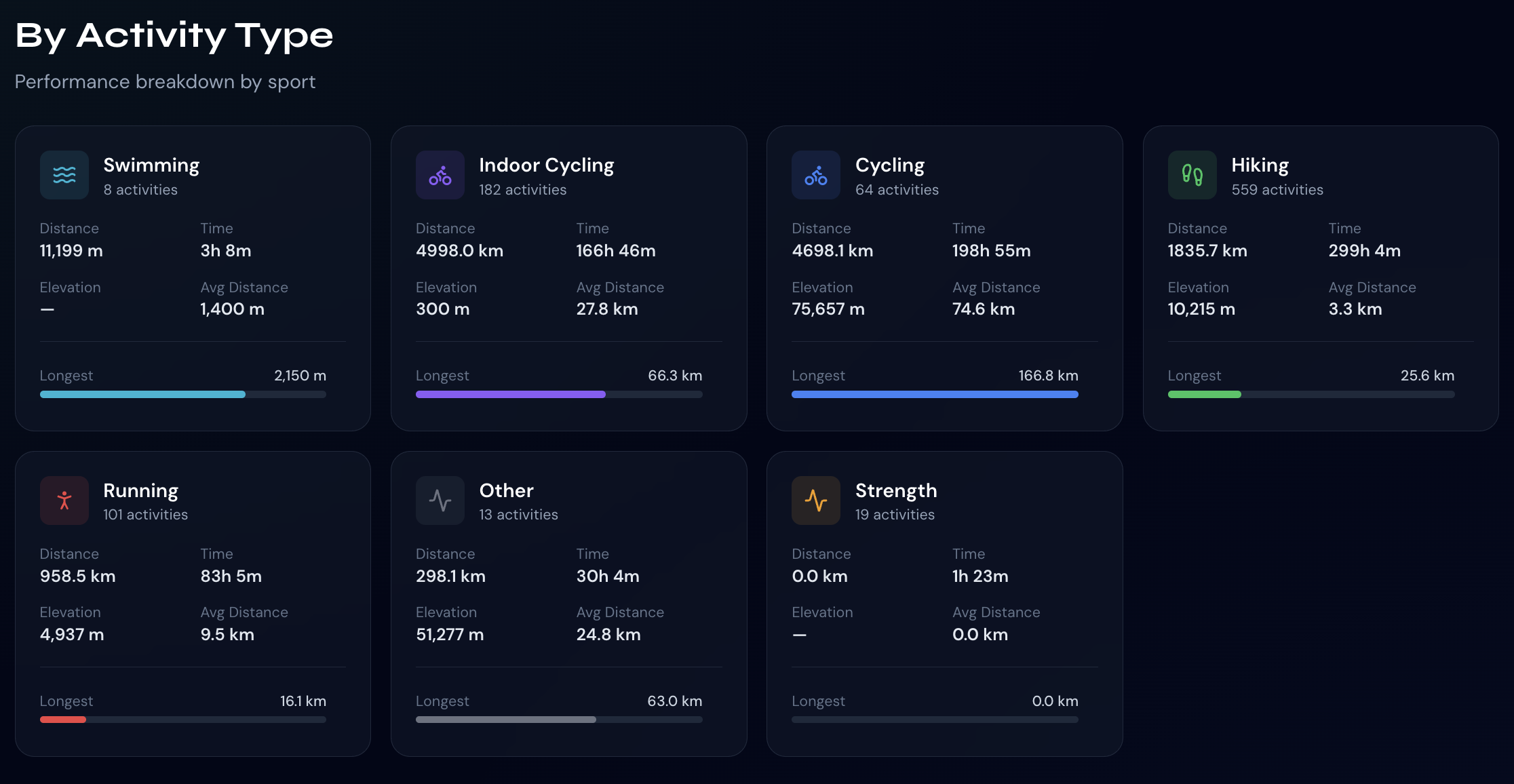
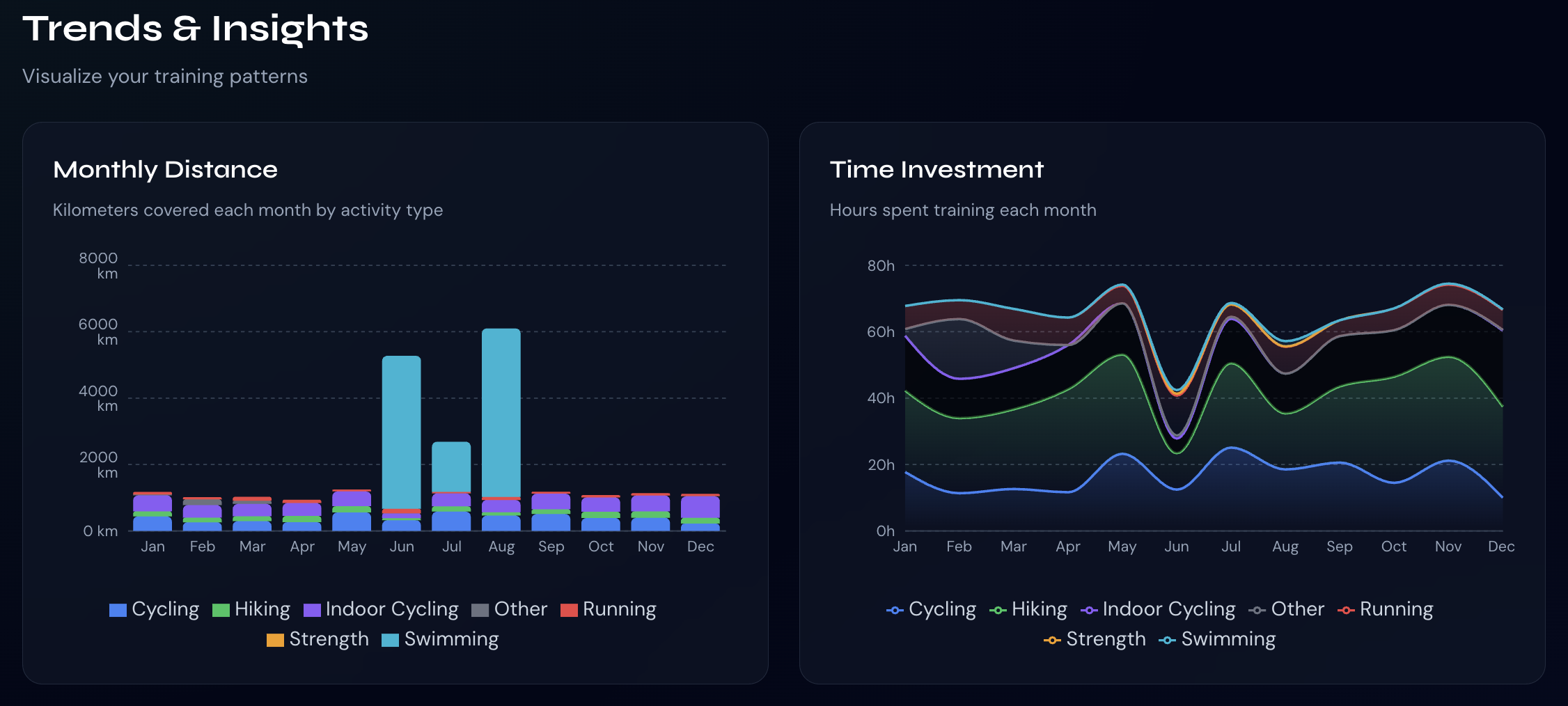
It was about distance, stubbornness, and rides long enough to require negotiations with your own legs. According to Strava, my idea of “a good day on the bike” is apparently anything north of 120 miles.

Here are some numbers
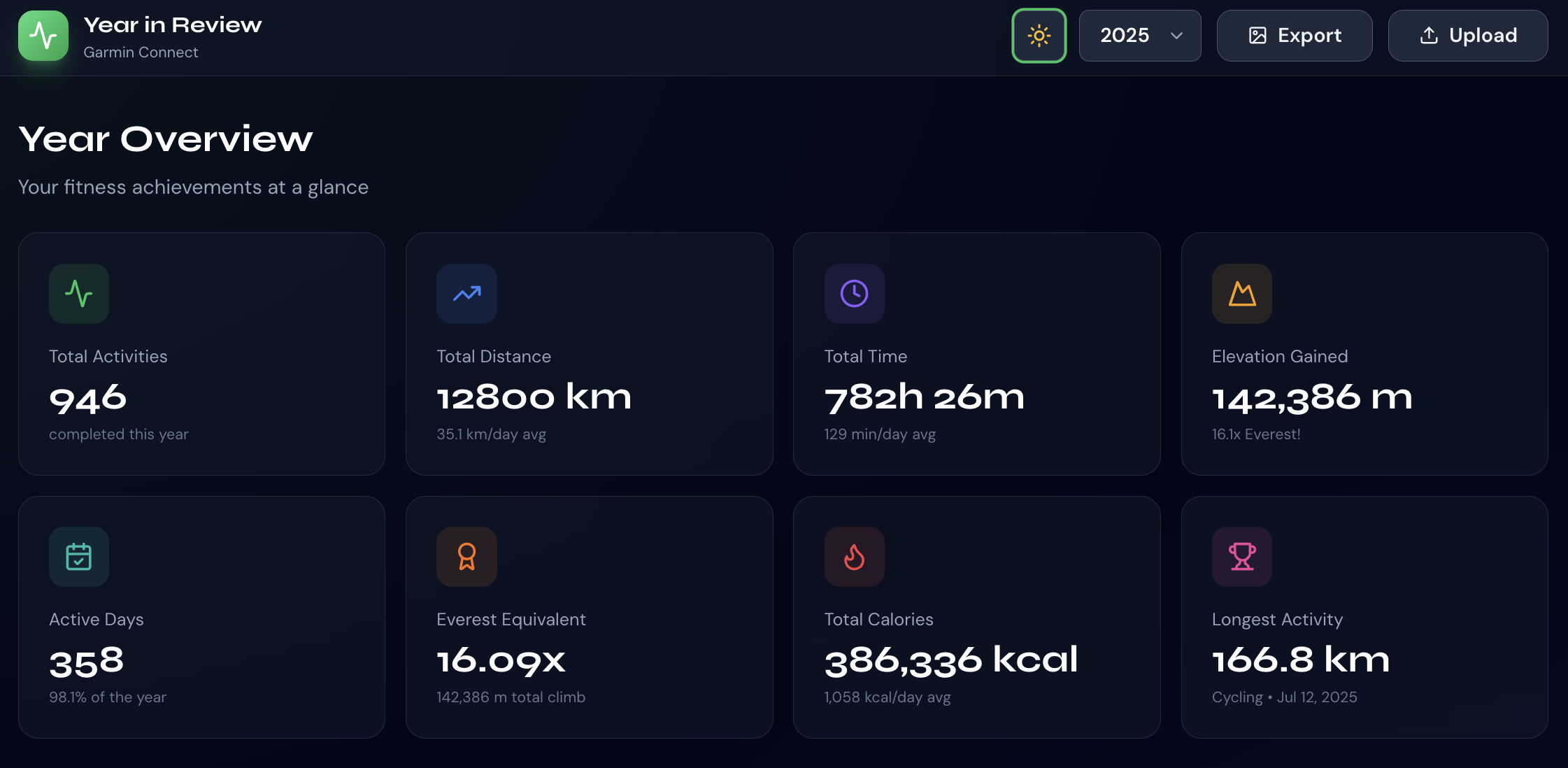
And next are the top 5 rides of the year, ranked by pure, unapologetic mileage:

1. California Death Ride (a.k.a. “Let’s See What Breaks”)
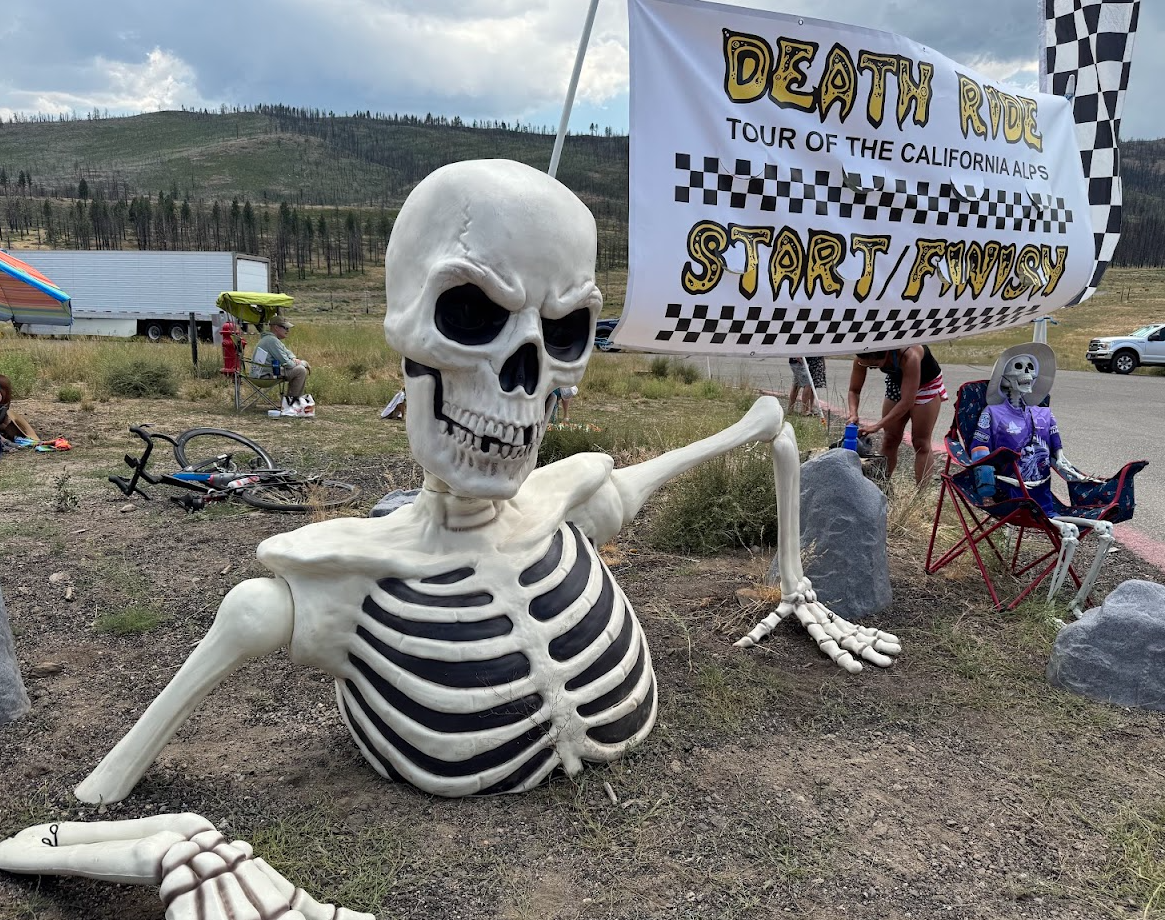
166.8 miles · 8h05m · 4,350 m climbing
This was the big one.
Alpine County served up altitude, endless climbing, and the kind of fatigue that makes basic arithmetic difficult. Long, brutal, beautiful—and exactly as advertised.
Legs emptied.
Brain quiet. Highly recommended if you enjoy earning your recovery week.

2. Marin County Mega Ride

161.5 miles · 5h32m · ~2,000 m climbing
Fast, flowy, and just enough climbing to keep things honest. One of those rides where everything clicks, the weather cooperates, and you start making wildly optimistic plans for the rest of the season. Dangerous mindset. Great day.

3. Three Lakes to Morgan Hill (Because One Lake Is Never Enough)

134.7 miles · 5h05m · ~1,500 m climbing
Long, steady, and sneaky-hard. The kind of ride that doesn’t feel epic until mile 110, when your legs quietly file a complaint. Classic endurance builder.
Zero regrets. Some soreness.

4. Old La Honda to Half Moon Bay and Back

126.2 miles · 4h48m · ~1,850 m climbing
A greatest-hits tour of local suffering.
OLH never disappoints, Half Moon Bay always lies about the wind, and the ride home is where humility is restored.
Did this voluntarily just for a good espresso.
Would do it again.
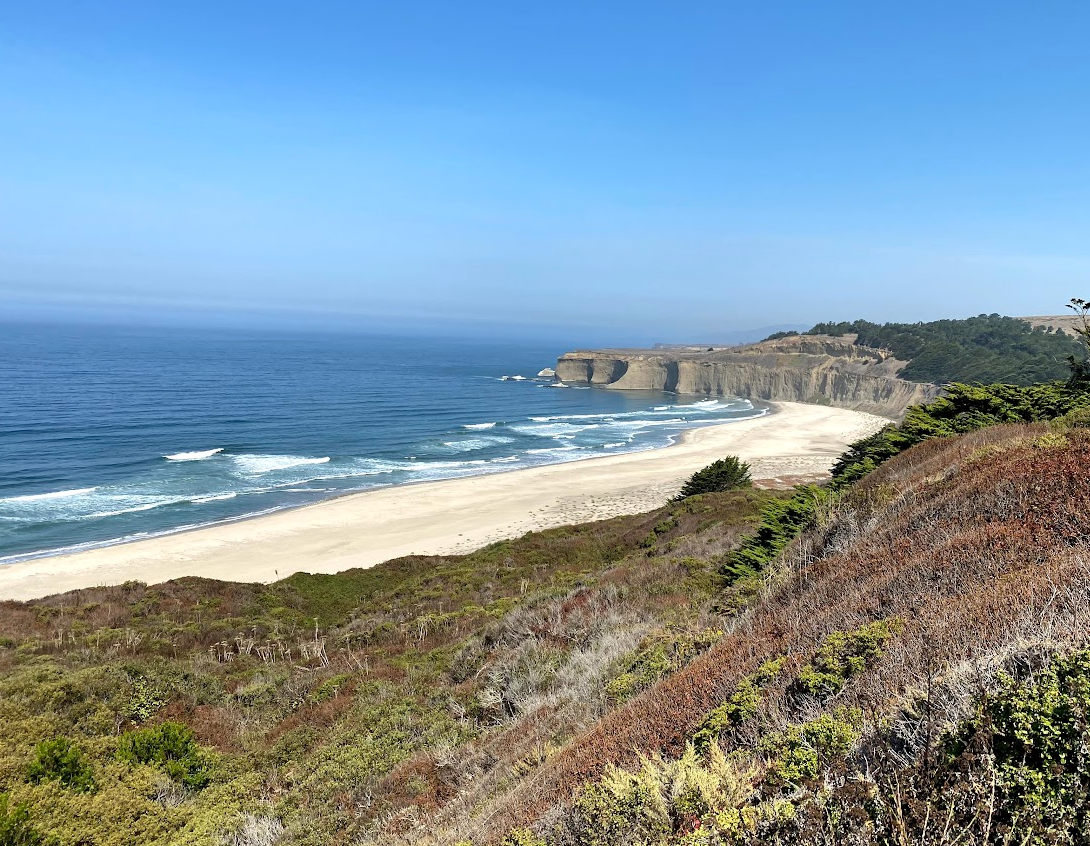
5. Windy Hill + Butano (Name Checks Out)

121.2 miles · 5h19m · ~2,300 m climbing
Rolling climbs, long stretches of solitude, and enough elevation to remind you that “endurance ride” is just code for “extended negotiation with gravity.”


The Pattern (In Case It Wasn’t Obvious)

  • Lots of long days
  • Serious climbing
  • A recurring belief that anything under 120 miles is “kind of short”

Strava confirms what I already suspected: 2025 was about volume, consistency, and seeing how far you can go before snacks become critical infrastructure.

The pain faded but the data remained.

I also finally nailed my race week taper strategy.
The secret is doing less while eating more.
Years of preparation paid off.


Other Moments

Built SeasonApp

It started as “I’m tired of losing recipes in browser tabs” and escalated into a full-stack AI-powered cooking platform. React, Prisma, Node.js, OpenAI—and long philosophical debates with Cursor about database schemas at 1 a.m.

It now helps people manage recipes, generate new ones, and stop Googling “easy chicken recipe” for the 47th time.
My family uses it – so that’s already a win.

A Lot… About AI Coding Tools

The pattern is clear: AI is incredibly useful—as long as you treat it like a very confident intern who occasionally hallucinates entire APIs.

Security Became Personal

I got strangely passionate about password security and MFA/passkeys this year. Mainly, after seeing some friends being hacked by some (really) bad actors. It’s far from being fun and with a few simple steps you can remove ~90% of the attackers.
The TL;DR:
* Turn on MFA.
* Use a password manager.
* Stop trusting your memory from 2014. Seeing “password123” still alive in 2025 does emotional damage.

The Pull-Up Counter That Actually Worked

My son asked, “Can we build something that counts our pull-ups?”

So we did. A real-time pull-up tracker using TensorFlow.js and a webcam.
Teaching a machine to recognize human suffering was harder than expected—but now we have data-driven trash talk.

Because if it’s not measured, did it even hurt?

Things I Learned (The Hard Way)

  1. Focus beats options. You can’t cross a canyon in two jumps. This applies to startups, training plans, and side projects that “just need one more feature.”
  2. Charlie Munger was right. Especially about how intelligence doesn’t protect you from bad decisions—it just helps you justify them.
  3. Great teams scale via systems, not heroics. Google, Facebook, Netflix all figured this out.
    Burnout is not a strategy.
  4. Tapering is a skill. Your brain will beg for “just one more hard session.” It is lying.
  5. AI coding tools are magic—until they aren’t. Then you lose 30 minutes debugging code that confidently imports a library from an alternate universe.

Looking Ahead

2026 will probably look similar.
More books.
More miles.
More yelling at AI.
Definitely more coffee—especially since I wrote a guide on dialing in espresso.

If you made it this far, thanks for reading.
Here’s to another year of breaking things, building things, and occasionally fixing the things we broke.

Happy New Year 🥂 Be strong!

Standard
life

Endurance and Insights: My 2024 in Books and Sports

Since 2013, I’ve made it a tradition (2022, 2020, 2019201820172016201520142013) to reflect on the books I’ve read and the sports events I’ve trained for and competed in.

2024 was no exception, offering a mix of endurance and discovery through the pages of captivating stories and on the trails of challenging courses. From thought-provoking novels that broadened my horizons to intense training sessions that pushed my limits, this year added another meaningful chapter to this ongoing journey.

Here’s a look back at the highlights that made 2024.

Continue reading
Standard
life

Radical Candor Book Summary

“Radical Candor: Be a Kick-Ass Boss Without Losing Your Humanity” is a book by Kim Scott that describes a management approach that combines caring and direct feedback.
I read it last weekend because I wanted to see what is similar to Meta’s management style.

The book argues that the best leaders can be “radical” in their directness and “candid” in their caring. The book provides tools and strategies for managers to implement this approach and create a culture of “radical candor” in their team. The main idea is that a leader should be able to give direct feedback, challenging the people they lead in a way that is both honest and kind, and at the same time, creating a culture of psychological safety where people can speak truthfully respectfully.

It all makes sense and is ‘easy to say – hard to do.’

Continue reading
Standard
life

The 2022 Year Summary – Books And Running

In the past few years (2019201820172016201520142013) I’ve been summarizing the year on sports events (Ironman, running, biking, snowboarding, etc.) and books.

Here are some of the books I’ve enjoyed most in 2022.

A thousand splendid suns by Khaled Hosseini – I first read it around 2010 or 2011, but early this year, I went back. It is a sad and powerful story of love, friendship, and the enduring human spirit. It is a testament to the resilience and strength of women and a moving depiction of the struggles and triumphs of life in Afghanistan. Yes. You will cry (just like I did).

“Where the Crawdads Sing” by Delia Owens – A beautifully written and moving story about the power of survival, the resilience of the human spirit, and the enduring mystery of human connection. It is a captivating and heartwarming tale that will stay with readers long after they finish the last page. Yep. There is a Netflix movie that you can watch but like the known phrase, “the book is much better!”

Numbers don’t lie by Vaclav Smil is an exploration of the key global trends shaping the world today and how they will impact the future. Smil, a renowned scientist and author (whom I need to thank Mr. Gates for the intro), examines a wide range of issues, including population growth, economic development, energy, resource use, and environmental change. He uses data and statistical analysis to provide a clear and nuanced view of the key trends shaping the world today and the implications of these trends for the future. Throughout the book, Smil discusses the challenges and opportunities presented by these trends and offers insights on navigating them. He also highlights the importance of addressing these trends in a holistic and integrated way and the need to consider their complex interactions and implications. This is a thought-provoking and engaging book that offers a fresh perspective on the key global trends shaping our world. It is a valuable resource for anyone interested in understanding the forces shaping the future and how we can prepare for and address them.

Noise by Daniel Kahneman explores the concept of “noise” in decision-making and how it can lead to flawed judgment and poor outcomes. Kahneman, a Nobel laureate in economics, argues that noise is a pervasive problem in decision-making and can lead to biased and irrational conclusions. He defines noise as random or unpredictable variations in judgment that can distort or obscure the underlying reality. Noise can come from various sources, including individual biases, the influence of emotions, and the complex and uncertain nature of the world. Through examples and case studies, Kahneman demonstrates how noise can lead to flawed judgment and poor outcomes in various contexts, including business, finance, and politics. He also offers practical strategies for reducing noise and improving decision-making, including using statistical analysis and developing more robust decision-making processes. It is a thought-provoking and insightful exploration of the role of noise in decision-making and how it can be addressed to improve judgment and outcomes.

Continue reading
Standard
life, Sport

Favorites Books And (Virtual) Ironman 2020

It’s been a challenging year.
A year that caused lots of misery and the long term implications are still going to be discovered in the future. Nevertheless, I’m trying to focus on the hope we see just around the corner.

As for books and running/biking and swimming, it was all ‘virtual’ events. The Ironman race I was registered to do at Santa Rosa was first ‘pushed’ to ‘later this year’ and a after few months it was canceled.
As we learned during this year, it’s best to have patience (and endurance). Looking backward, there were quite a lot of new events that we managed to do. Both Strava and Zwift saw their platform taking an uplift. The new (or old) way to do a group ride: Zwift and Discord is quite cool. It won’t replace the real thing, but with the ‘new norm’, it’s quite a nice option.

Virtual Races

This year moved ‘everything’ into ‘virtual’. Sports events are just one example.
Since all the official races were canceled I did some virtual ones.

Continue reading
Standard
life

Reading Recommendations From @naval

A list from @naval talks/podcasts and tweets.
It’s mainly for my personal usage when I’m buy new books (or ordering some from the library).

  • Poor Charlie’s Almanac: The Wit and Wisdom of Charles T. Munger. This one is the biggest book (for real) you will have in your library. Find a special and strong shelf for it.
  • Sapiens: A Brief History of Humankind by Yuval Noah Harari. I wrote about here in the past.
  • The Power of Now: A Guide to Spiritual Enlightenment by Eckhart Tolle (@EckhartTolle)
  • The Sovereign Individual: Mastering the Transition to the Information Age by James Dale Davidson
  • Incerto Series by Nassim Nicholas Taleb (@nntaleb): All 5 books are great but not an easy read. I had to re-read some parts in the books again and again and I’m still not sure I got to the bottom of the idea(s).
Continue reading
Standard
life

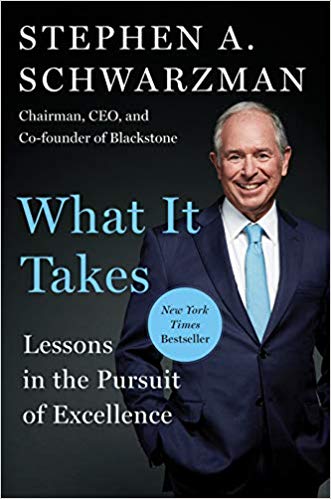
What It Takes – Book Review

What It Takes: Lessons in the Pursuit of Excellence” is a book I enjoyed in the last two flights. It’s a classic entrepreneurship story and half of the book is talking about his path in starting, building and expanding Blackstone. The other half is composed of stories in his life.

Who is Stephen Schwarzman?

Well, he manages over $500 billion as the co-founder/CEO of Blackstone.
He also wants to teach readers “how to grow organizations, and do positive things, and how to help their careers”. 

I felt through the book that there are some good lessons.

One lesson is around the same (more or less) rules that Buffet coined around:

  1. Don’t lose money.
  2. Go back to confirm you are executing rule #1

A few little details make the book fun to read. For example, when he explained how Angela Merkel raised her hands to imitate a locust and how he mimics her. Another good one is when he tells of why he earned the nickname “Farmer Blackstone” in China. It is because he promised that the company’s stock price was like a seed that would grow in time.

I also liked this suggestion:
“There is nothing more interesting to people than their problems. Think about what others are dealing with, and try to come up with ideas to help them. Almost anyone, however senior or important, is receptive to good ideas provided you are thoughtful.”

Continue reading
Standard
books
life

2019 Favorite Books And Runs

In the past few years ( 2018, 2017, 2016, 2015, 2014, 2013) I’ve been summarizing the year both on sports events (running, biking, snowboarding, etc’) and on books.

This year is no different.

Let’s start with the books I’ve enjoyed most in 2019.

Books – Learning and thinking

  • Talking to Strangers: What We Should Know about the People We Don’t Know – Malcolm Gladwell
    This is another masterpiece from Gladwell. He knows how to tell a story and to take you from A to B in a fascinating way.
  • Grit: The Power of Passion and Perseverance – Angela Duckworth
    I enjoyed this one as it’s not ‘just’ talking about the importance of Grit but also on how to deal with the complexity of life.

  • 21 Lessons for the 21st Century – Yuval Noah Harari
    If you read the first two books you got the main ideas. However, it’s a great book with many good internal stories. I liked it a lot.
Continue reading
Standard
Business, life

Decisions And Intuition – Daniel Kahneman

Psychologist and Nobel laureate Daniel Kahneman reveals the actions we can take to overcome the biases. He talks in this podcast about the things that cripple our decision-making, damper our thinking, and limit our effectiveness.

Some gems from his conversion:

First one, is thought provoking as you take it to your personal or professional life.

“I think changing behavior is extremely difficult. There are a few guidelines about how to do that, but anybody who’s very optimistic about changing behavior is just deluded.”

The second is about incentives and it’s putting more light to Charlie’s perceptions.

Continue reading
Standard
life

Factfulness – Book Review

It’s one of the best books I read during 2018. 

Hans Rosling was a great author (and a speaker) and he expressed his ideas in a very clear way. One of the great things that open this book, is the test that he gives you at the beginning. It comes to prove you, how little you know about the world we live in. It drives the point home very clearly.

Don’t believe?

Try it for yourself:

Continue reading
Standard