

JavaScript is the backbone of modern web development. TypeScript (TS)—its statically typed super-set — has rapidly gained traction in professional environments.
Whether you’re an aspiring developer or a seasoned programmer, this guide will help you level up your skills. It will assist you in navigating the learning path for JS and TS.
We’ll share various resources and courses to suit different learning styles. We will finish with three exciting project ideas to put your knowledge into practice.
Getting Started with JavaScript
Before diving into TypeScript, it’s crucial to have a solid understanding of JavaScript fundamentals.
Here are some steps and resources to get you started:
1. Understand the Basics
- Syntax & Fundamentals: Begin with the basic syntax, data types, control structures, and functions. JavaScript is known for its dynamic nature. Get comfortable with concepts like closures, callbacks, and asynchronous programming (callbacks, promises, async/await).
- Practical Practice: Code regularly. Experiment in your browser’s developer console or use an online playground like JSFiddle or CodePen.
- Use your favorite LLM (Claude is mine for now) to learn with it.
2. Top Resources for Learning JavaScript
- Online Documentation & Tutorials:
- Scrimba — They offer some free courses and some paid ones. It’s a great resource, as its instructors know what they do and how to teach. Plus, you get a ton of mini-projects to try and see that you understand the concepts.
- JavaScript30 by Wes Bos – A JavaScript coding challenge that helps you build real projects without frameworks. A great starting point to ‘test the water.’
- MDN Web Docs: The definitive resource for all things web-related, offering clear explanations and code examples. Don’t start there as it’s ‘boring,’ but it’s a good reference when you have questions or issues with your project.
- JavaScript.info: A modern tutorial that covers everything from the basics to advanced topics.
- Interactive Learning Platforms:
- freeCodeCamp: Offers a comprehensive curriculum with hands-on exercises and projects.
- Codecademy: Provides interactive lessons that let you write code directly in your browser.
- Books and Blogs:
- Eloquent JavaScript – A recommended read and is available online for free.
- You Don’t Know JS – dives deep into JavaScript concepts.
- Blogs like Smashing Magazine and CSS-Tricks offer articles and tutorials to update you on best practices.
Transitioning to TypeScript
Once you’re comfortable with JavaScript, consider learning TypeScript. TS introduces static typing and features that can make your code more robust and maintainable, which is especially important in larger projects.
1. What is TypeScript?
- Enhanced JavaScript: TypeScript builds on JavaScript by adding optional static types. This can catch errors early during development and improve the clarity of your code.
- Tooling & Ecosystem: Many popular frameworks and libraries (like Angular, React, and Vue) offer excellent TypeScript support, and many companies now use TS for its scalability benefits.
2. Essential TypeScript Resources
- Official Documentation: Start with the TypeScript Handbook to understand its core features and setup.
- Online Tutorials & Blogs: Numerous tutorials on Medium, Dev. To and personal blogs explain TS concepts with practical examples.
- Community & Forums: For support and tips, engage with communities on Stack Overflow or the official TypeScript GitHub repository.
Courses and Resources to Accelerate Your Learning
Whether you prefer structured courses, interactive lessons, or self-paced tutorials, there are plenty of options available:
For JavaScript:
- The Complete JavaScript Course 202X: From Zero to Expert: A comprehensive course that covers everything from the basics to advanced topics like asynchronous programming.
- JavaScript Algorithms and Data Structures: Perfect for reinforcing your understanding through coding challenges and projects.
For TypeScript:
- Understanding TypeScript: A detailed course that explains TypeScript from the ground up, ideal for developers transitioning from JavaScript.
- TypeScript Fundamentals: This course thoroughly introduces TypeScript’s features and practical applications.
- TypeScript Bootcamp: Offers bite-sized lessons that are easy to follow and perfect for busy developers.
Supplementary Learning Tools:
- YouTube Channels:
- Traversy Media: Offers clear and concise tutorials on both JavaScript and TypeScript.
- The Net Ninja: Features playlists on various topics, including complete JS and TS courses.
- Coding Challenges: Enhance your skills by practicing on platforms like Codewars or LeetCode.
Three Project Ideas to Cement Your Learning
Building projects are the best way to solidify your understanding and gain practical experience. Here are three project ideas that range in complexity and will help you apply both JavaScript and TypeScript concepts:
Weather Dashboard
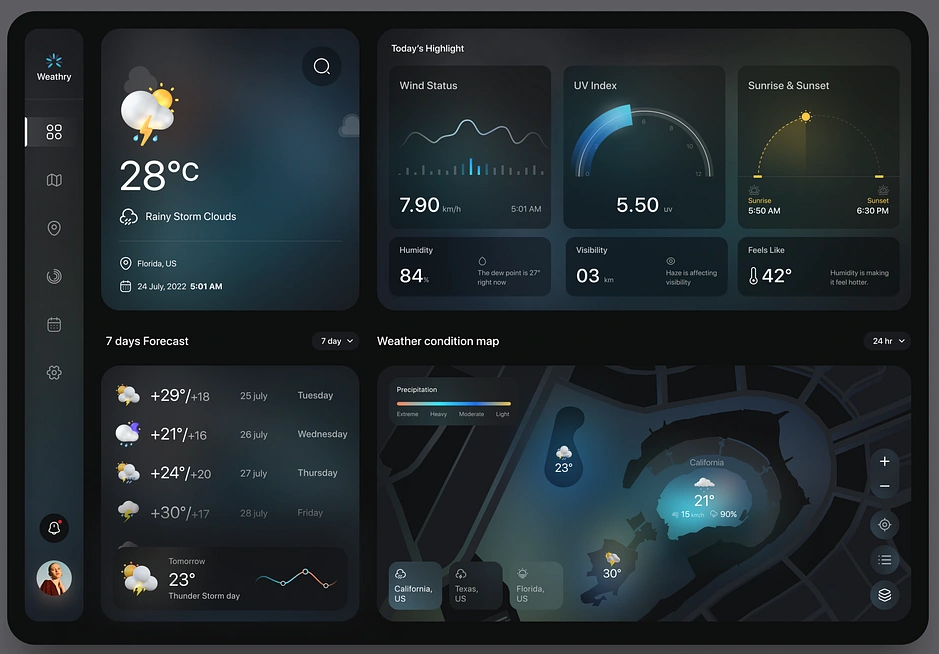
Key Features:
Description: Build an application that fetches and displays weather data from an external API (e.g., OpenWeatherMap).
- API Integration: Learn to make asynchronous API calls using fetch or Axios.
- Responsive Design: Ensure your dashboard is mobile-friendly.
- Dynamic Updates: Update the UI based on user input (e.g., entering a city name) and API responses.
Tech Stack: HTML, CSS, JavaScript or TypeScript
Learning Outcome: Gain experience with asynchronous programming, error handling, and working with external data.
Real-Time Chat Application
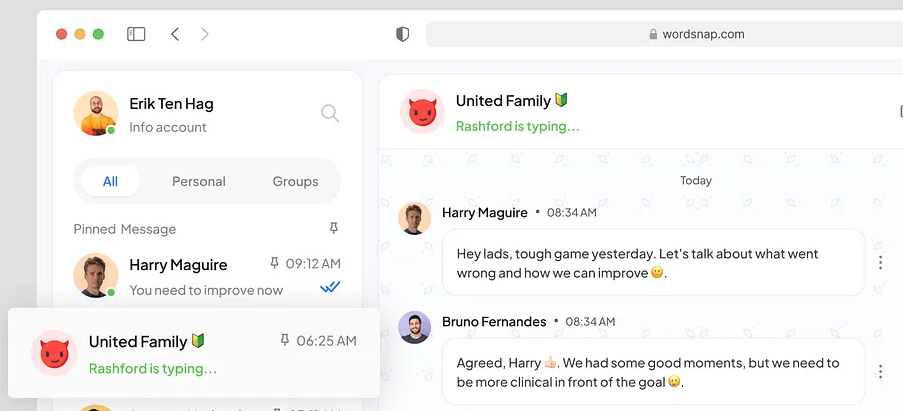
Description: Develop a simple real-time chat application that allows multiple users to join and interact in a chat room.
Key Features:
- Socket Integration: Use libraries like Socket.IO to handle real-time communication.
- User Authentication: Implement basic authentication to manage user sessions.
- Multiple Chat Rooms: Allow users to create and join different chat rooms for more organized conversations.
Tech Stack: Node.js, Express, Socket.IO, and either JavaScript or TypeScript for both server and client-side code
Learning Outcome: Understand real-time data flow server-client architecture and build scalable applications with TypeScript.
Personal Finance Tracker
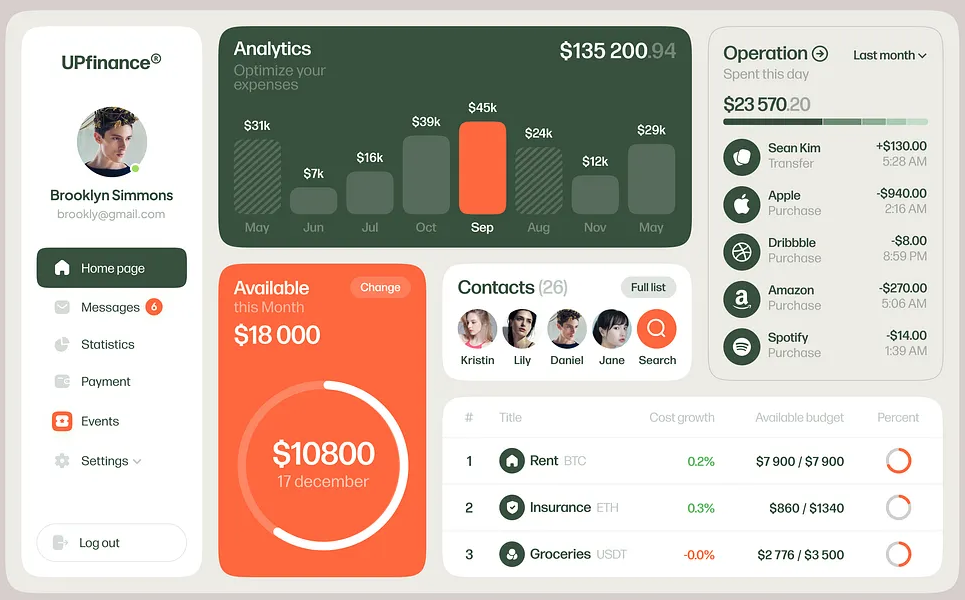
Skills practiced:
- Data visualization
- Complex state management
- Form handling
- TypeScript decorators
- Data persistence
Key features:
- Income and expense tracking
- Budget categories
- Interactive charts
- Export/import functionality
- Monthly reports generation
Learning Outcome: Understand data flow server-client architecture and build webapps with TypeScript. Learning how to build Dashboards, Reports and leverage ChartJS
Conclusion
Learning JavaScript/TypeScript is a rewarding journey that opens the door to countless opportunities in software development. Start with the fundamentals, leverage the available resources and courses, and, most importantly, build projects to apply your knowledge. Whether a simple to-do list or a real-time chat application, every project will enhance your skills and prepare you for more complex challenges.
Remember, the key to mastery is consistency and practical application. So pick a project, dive in, and don’t be afraid to experiment.
Happy coding. Be strong!
Discover more from Ido Green
Subscribe to get the latest posts sent to your email.
 Ido Green