

“There are two ways to use money. One is as a tool to live a better life. The other is as a yardstick of status to measure yourself against others. Many people aspire for the former but get caught up chasing the latter.” – Morgan Housel
One of my goals as a parent – beyond concern for the child’s emotional and material needs – is to raise a happy individual who can stand independently in the world and avoid troubles.
It’s a simple goal on the surface. Still, when you consider the number of people who fail at it with resounding failure – yes, including the most famous (and successful) people you know – you understand the magnitude of the challenge.
Money is a unique domain of knowledge in that, unlike other skills and fields, most people cannot avoid it. Therefore, I should raise a child who can make and manage money to succeed (or at least not fail) in my parental mission.
Most people approach the matter from a survival orientation: the goal is to provide for the child, and from there, they want to ensure that the child has an essential financial asset to start their life.
Some people want to give financial independence to their child from the beginning so they won’t ever have to work again. The more affluent even buy a house for their children to fulfill the “American Dream” for them. Is it helping the kids or prevent them from ‘working hard’?
The issue requires a delicate balance. Teaching a child to manage money is only possible if you’re accumulating money for them in the first place.
“Unspent money buys something intangible but valuable: freedom, independence, autonomy, and control over your time. Every dollar of savings buys a claim check on the future.” – Morgan Housel
After all, a kid who utters a sentence like “Why do I need school? I have an apartment in SF!” may enjoy financial security (for a limited time). Nevertheless, the parents failed on many levels.
So, the goal of saving isn’t just financial but educational as well. The idea is to harness them with knowledge (how to fish), not just money (one nice tuna).
“Give a man a fish, and you feed him for a day. Teach a man to fish, and you feed him for a lifetime.”
Now what?
That’s why I’ll spend time with them discussing ways to make money and the different ways to invest and manage it. The latter is a completely separate skill that most people don’t talk about.
That’s why we will talk about VOO (or other ETFs) and how to invest for 30 years (=forever) as your time horizon. We will start with the basic idea that the market is a voting machine in the short run and, in the long run, is a weighing machine.
We will continue to build a portfolio and manage it quarterly. Never daily and never while the ‘news’ is the driver.
We will read some of Buffet’s letters.
They are too long in many cases, but they are worth the effort, even with the “TikTok generation”.
Last but not least, we will talk about crises and how they are part of the deal of being in the market.
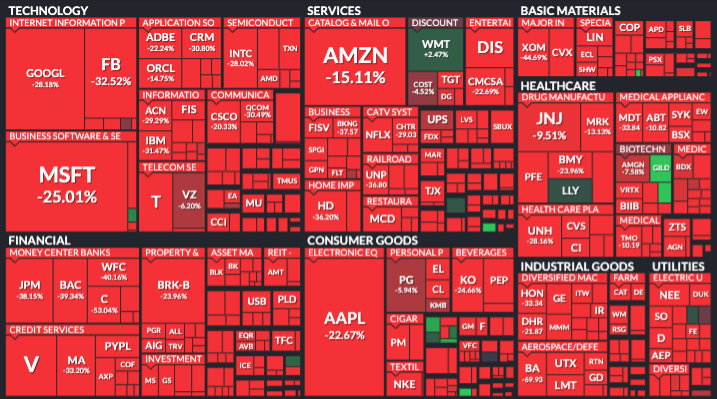
You need risk to get the reward. However, your time horizon is ~30 years, you have a much better probability of getting to the finish line with a smile. The main goal is happiness with yourself, your family, and your close friends.
The truest measure of your path to financial freedom is how much you save, not how much you earn.
As one’s wealth increases, so does the complexity of deciding how to allocate it in a way that brings happiness. This conundrum can arise even at relatively modest income levels, surprisingly enough. However, we will save the exploration of this phenomenon for another time.
Be strong & happy.
Discover more from Ido Green
Subscribe to get the latest posts sent to your email.
 Ido Green